$62.00 – $240.00Price range: $62.00 through $240.00
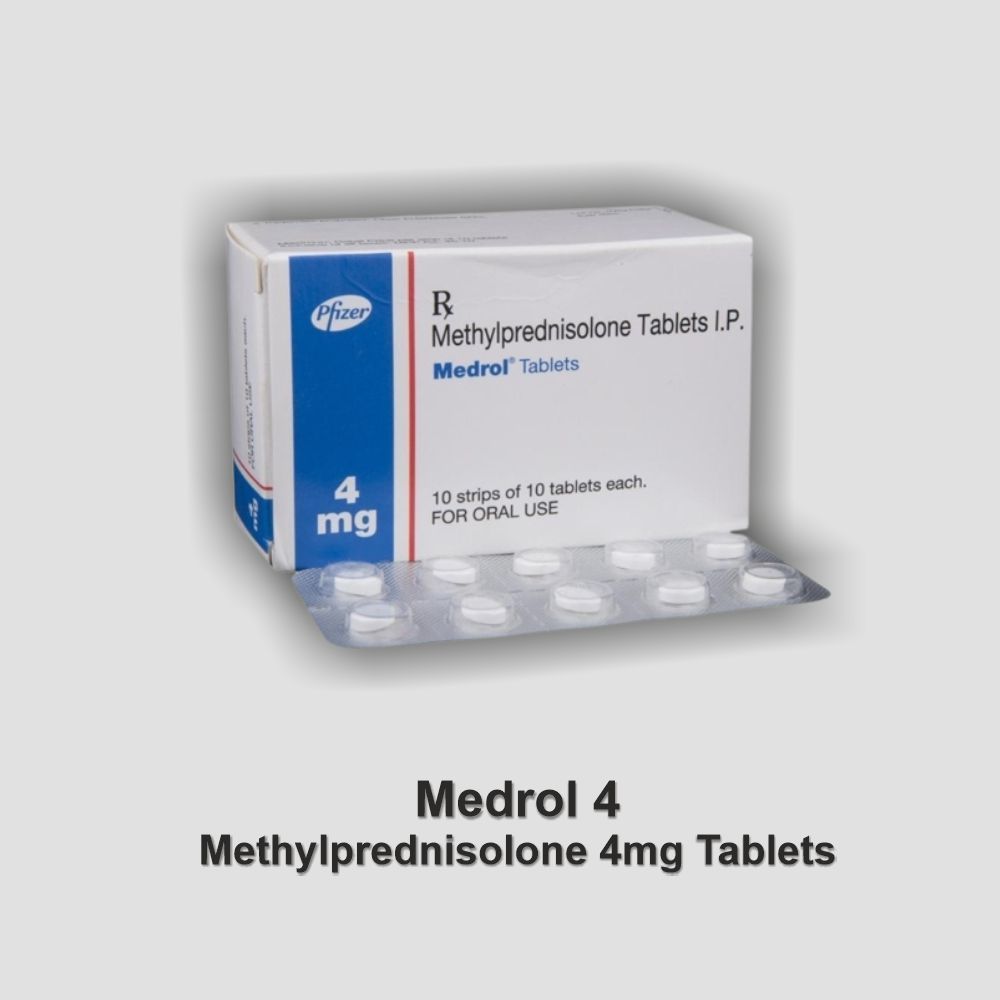
Brand name – Medrol 4mg
Generic name – Methylprednisolone
Manufacturer – Pfizer LTD.
Packaging – 10 Tablets in 1 Strip
Delivery Time – 6 To 15 Days.
Medrol 4mg is a prescription corticosteroid tablet containing Methylprednisolone 4mg as its active ingredient. It belongs to a class of medicines called glucocorticoids — synthetic versions of the steroid hormones the body naturally produces in the adrenal glands. Doctors prescribe it to reduce inflammation, suppress overactive immune responses, and manage a broad range of acute and chronic medical conditions.
Methylprednisolone is one of the most widely used corticosteroids in clinical medicine. It appears on the World Health Organization’s List of Essential Medicines, reflecting its established importance across global healthcare. The 4mg tablet is the standard low-to-mid strength formulation, making it suitable for a wide range of conditions requiring controlled steroid therapy.
Pfizer Inc., one of the world’s largest and most trusted pharmaceutical companies, manufactures Medrol 4mg. With over 170 years of pharmaceutical experience and operations in more than 125 countries, Pfizer produces Medrol in internationally accredited facilities under strict regulatory oversight. As a result, every tablet delivers consistent potency, purity, and reliability that patients and prescribers can depend on.
| Detail | Information |
|---|---|
| Brand Name | Medrol |
| Active Ingredient | Methylprednisolone 4mg |
| Manufacturer | Pfizer Inc. |
| Drug Class | Glucocorticoid Corticosteroid |
| Primary Use | Inflammation, autoimmune conditions, allergic reactions |
| Form | Oral Tablet |
| Prescription Required | Yes |
| Onset of Action | Within 1 to 2 hours of ingestion |
Medrol 4mg works by mimicking and amplifying the effects of naturally occurring cortisol — the body’s own anti-inflammatory steroid hormone. Its mechanism of action operates at the cellular level, producing wide-ranging effects on inflammation, immune activity, and metabolic function throughout the body.
After ingestion, Methylprednisolone absorbs rapidly from the gastrointestinal tract and enters the bloodstream. It then crosses cell membranes and binds to specific glucocorticoid receptors found in nearly every tissue in the body. This binding activates the receptor and triggers a cascade of gene-level changes inside the cell.
Once the activated receptor enters the cell nucleus, it suppresses the genes responsible for producing pro-inflammatory proteins. These include cytokines such as interleukin-1 (IL-1), interleukin-6 (IL-6), and tumour necrosis factor-alpha (TNF-alpha). By reducing the production of these signalling molecules, Medrol effectively turns down the inflammatory response at its source.
In addition to blocking inflammatory genes, Methylprednisolone reduces the activity and migration of key immune cells. Specifically, it suppresses T-lymphocytes, macrophages, and eosinophils — the cells most responsible for driving autoimmune and allergic reactions. As a result, conditions driven by excessive immune activity begin to improve.
Inflammation causes blood vessel walls to become leaky, leading to the characteristic redness, swelling, and heat seen in inflamed tissue. Medrol stabilises blood vessel walls by inhibiting the release of substances that increase vascular permeability. Consequently, tissue swelling and the associated pain reduce significantly.
With consistent dosing over the prescribed course, Methylprednisolone maintains suppression of inflammatory pathways throughout treatment. This sustained effect is particularly important in chronic inflammatory and autoimmune conditions, where ongoing immune dysregulation would otherwise cause continued tissue damage.
Recommended Dose: Varies by condition, severity, and patient response — always follow prescriber instructions
| Condition Type | Typical Starting Dose | Notes |
|---|---|---|
| Acute inflammation | 4mg to 48mg daily | Dose depends on severity |
| Allergic conditions | 4mg to 32mg daily | Taper as symptoms improve |
| Autoimmune diseases | 4mg to 64mg daily | Long-term use requires gradual tapering |
| Asthma exacerbation | 32mg to 64mg daily (short course) | Usually 5 to 7 days |
| Rheumatic conditions | 4mg to 16mg daily | Adjusted based on response |
| Dermatological conditions | 4mg to 48mg daily | Reduce dose progressively |
Take Medrol tablets orally with a full glass of water. Always swallow them whole rather than crushing or chewing. Taking the tablets with food or milk significantly reduces the risk of stomach irritation, which is one of the most common patient complaints during corticosteroid therapy. Whenever possible, take the full daily dose in the morning to align with the body’s natural cortisol rhythm. This approach helps minimise disruption to the natural hormonal cycle.
Never stop taking Medrol suddenly without medical guidance. When the body receives corticosteroids from an external source over a period of time, the adrenal glands naturally reduce their own cortisol production. Stopping abruptly can therefore cause adrenal insufficiency — a potentially serious condition. Instead, doctors reduce the dose gradually over days or weeks, giving the adrenal glands time to resume normal function safely.
Older adults may require lower doses, as they face a higher risk of corticosteroid-related side effects such as bone thinning and blood sugar elevation. Children receiving Medrol should always use the lowest effective dose for the shortest possible time to minimise growth-related effects. Patients with diabetes, liver disease, or kidney conditions need careful monitoring throughout treatment. Always inform your prescriber of all current health conditions and medications before starting Medrol.
Most patients tolerate short-term, low-dose Medrol therapy well. However, corticosteroids carry a well-recognised range of side effects, particularly when taken at higher doses or over extended periods. Common effects include:
Although serious adverse effects are uncommon with short-term use at low doses, patients must seek immediate medical attention if they notice any of the following:
Do not use Medrol if you have a systemic fungal infection, as corticosteroids suppress immune defences and can allow such infections to spread rapidly. Similarly, patients with active tuberculosis, uncontrolled diabetes, severe osteoporosis, or active gastrointestinal ulcers should consult their doctor carefully before starting treatment. People with a known allergy to Methylprednisolone or any tablet component must also avoid this medicine.
Q1: What conditions does Medrol 4mg treat? Doctors prescribe Medrol 4mg for a broad range of inflammatory, allergic, and autoimmune conditions. These include rheumatoid arthritis, lupus, multiple sclerosis relapses, severe asthma, allergic reactions, inflammatory bowel disease, skin conditions such as psoriasis and eczema, and certain blood and eye disorders. In addition, doctors use it to prevent organ rejection following transplantation and to manage certain hormone deficiency conditions.
Q2: How quickly does Medrol 4mg start working? Medrol absorbs rapidly from the gut and typically begins producing anti-inflammatory effects within one to two hours of ingestion. However, the full clinical benefit — particularly for chronic inflammatory conditions — often takes several days of consistent dosing to develop. For acute conditions such as severe allergic reactions or asthma attacks, patients usually notice meaningful improvement within the first 24 to 48 hours of treatment.
Q3: Can someone take Medrol 4mg with other medications? Medrol interacts with several important drug classes. Specifically, combining it with NSAIDs such as ibuprofen or aspirin significantly increases the risk of stomach ulcers and gastrointestinal bleeding. Additionally, Medrol can reduce the effectiveness of certain vaccines and increase the toxicity of some immunosuppressants. Patients taking blood thinners, diabetic medications, or antifungal drugs should also discuss potential interactions with their doctor before starting treatment.
Q4: Is it safe to take Medrol 4mg long-term? Long-term use of Medrol carries well-recognised risks, including bone thinning, weight gain, elevated blood pressure, blood sugar changes, and immune suppression. For this reason, doctors always aim to use the lowest effective dose for the shortest necessary period. Patients on long-term corticosteroid therapy typically require regular monitoring of bone density, blood sugar, blood pressure, and eye health throughout treatment.
Q5: Why must someone not stop taking Medrol suddenly? Stopping Medrol abruptly after a prolonged course can trigger adrenal insufficiency. During steroid therapy, the adrenal glands reduce their own cortisol production in response to the external supply. When the external supply stops suddenly, the glands cannot immediately resume full output. This causes a dangerous drop in cortisol levels, leading to symptoms such as extreme fatigue, low blood pressure, and dizziness. Gradual dose tapering under medical supervision prevents this from occurring.
Q6: Can Medrol 4mg affect blood sugar levels? Yes. Methylprednisolone raises blood glucose levels by stimulating the liver to produce more glucose and by reducing the body’s sensitivity to insulin. This effect is particularly significant for patients with existing diabetes, who may need to increase their insulin or oral diabetic medication dose during Medrol treatment. Even patients without diabetes can experience temporary blood sugar elevation, especially at higher doses. Regular monitoring is therefore important throughout treatment.
Q7: Is Medrol 4mg safe during pregnancy? Doctors generally avoid prescribing corticosteroids during pregnancy unless the benefits clearly outweigh the risks. Some studies suggest a small increased risk of cleft palate with first-trimester use. With longer use during pregnancy, there is also a risk of adrenal suppression in the newborn. Women who are pregnant or planning to conceive should discuss the risks and benefits fully with their doctor before starting or continuing Medrol therapy.
Q8: Can someone drink alcohol while taking Medrol 4mg? Drinking alcohol while taking Medrol is strongly inadvisable. Both alcohol and corticosteroids independently increase the risk of stomach ulcers and gastrointestinal bleeding. Together, their combined effect on the gut lining is considerably greater. Additionally, alcohol can worsen mood-related side effects of corticosteroids and further elevate blood sugar levels. Patients should therefore avoid alcohol throughout the course of treatment.
Medrol 4mg Methylprednisolone Tablets – Anti-Inflammatory and Immune Relief | Buy Online
Buy Medrol 4mg (Methylprednisolone) tablets online for effective inflammation, allergy, and immune condition relief. Clinically proven corticosteroid. Discreet delivery. Order today! (160 characters)
Medrol 4mg is a prescription corticosteroid tablet containing Methylprednisolone 4mg as its active ingredient. It belongs to a class of medicines called glucocorticoids — synthetic versions of the steroid hormones the body naturally produces in the adrenal glands. Doctors prescribe it to reduce inflammation, suppress overactive immune responses, and manage a broad range of acute and chronic medical conditions.
Methylprednisolone is one of the most widely used corticosteroids in clinical medicine. It appears on the World Health Organization’s List of Essential Medicines, reflecting its established importance across global healthcare. The 4mg tablet is the standard low-to-mid strength formulation, making it suitable for a wide range of conditions requiring controlled steroid therapy.
Pfizer Inc., one of the world’s largest and most trusted pharmaceutical companies, manufactures Medrol 4mg. With over 170 years of pharmaceutical experience and operations in more than 125 countries, Pfizer produces Medrol in internationally accredited facilities under strict regulatory oversight. As a result, every tablet delivers consistent potency, purity, and reliability that patients and prescribers can depend on.
| Detail | Information |
|---|---|
| Brand Name | Medrol |
| Active Ingredient | Methylprednisolone 4mg |
| Manufacturer | Pfizer Inc. |
| Drug Class | Glucocorticoid Corticosteroid |
| Primary Use | Inflammation, autoimmune conditions, allergic reactions |
| Form | Oral Tablet |
| Prescription Required | Yes |
| Onset of Action | Within 1 to 2 hours of ingestion |
Medrol 4mg works by mimicking and amplifying the effects of naturally occurring cortisol — the body’s own anti-inflammatory steroid hormone. Its mechanism of action operates at the cellular level, producing wide-ranging effects on inflammation, immune activity, and metabolic function throughout the body.
After ingestion, Methylprednisolone absorbs rapidly from the gastrointestinal tract and enters the bloodstream. It then crosses cell membranes and binds to specific glucocorticoid receptors found in nearly every tissue in the body. This binding activates the receptor and triggers a cascade of gene-level changes inside the cell.
Once the activated receptor enters the cell nucleus, it suppresses the genes responsible for producing pro-inflammatory proteins. These include cytokines such as interleukin-1 (IL-1), interleukin-6 (IL-6), and tumour necrosis factor-alpha (TNF-alpha). By reducing the production of these signalling molecules, Medrol effectively turns down the inflammatory response at its source.
In addition to blocking inflammatory genes, Methylprednisolone reduces the activity and migration of key immune cells. Specifically, it suppresses T-lymphocytes, macrophages, and eosinophils — the cells most responsible for driving autoimmune and allergic reactions. As a result, conditions driven by excessive immune activity begin to improve.
Inflammation causes blood vessel walls to become leaky, leading to the characteristic redness, swelling, and heat seen in inflamed tissue. Medrol stabilises blood vessel walls by inhibiting the release of substances that increase vascular permeability. Consequently, tissue swelling and the associated pain reduce significantly.
With consistent dosing over the prescribed course, Methylprednisolone maintains suppression of inflammatory pathways throughout treatment. This sustained effect is particularly important in chronic inflammatory and autoimmune conditions, where ongoing immune dysregulation would otherwise cause continued tissue damage.
Recommended Dose: Varies by condition, severity, and patient response — always follow prescriber instructions
| Condition Type | Typical Starting Dose | Notes |
|---|---|---|
| Acute inflammation | 4mg to 48mg daily | Dose depends on severity |
| Allergic conditions | 4mg to 32mg daily | Taper as symptoms improve |
| Autoimmune diseases | 4mg to 64mg daily | Long-term use requires gradual tapering |
| Asthma exacerbation | 32mg to 64mg daily (short course) | Usually 5 to 7 days |
| Rheumatic conditions | 4mg to 16mg daily | Adjusted based on response |
| Dermatological conditions | 4mg to 48mg daily | Reduce dose progressively |
Take Medrol tablets orally with a full glass of water. Always swallow them whole rather than crushing or chewing. Taking the tablets with food or milk significantly reduces the risk of stomach irritation, which is one of the most common patient complaints during corticosteroid therapy. Whenever possible, take the full daily dose in the morning to align with the body’s natural cortisol rhythm. This approach helps minimise disruption to the natural hormonal cycle.
Never stop taking Medrol suddenly without medical guidance. When the body receives corticosteroids from an external source over a period of time, the adrenal glands naturally reduce their own cortisol production. Stopping abruptly can therefore cause adrenal insufficiency — a potentially serious condition. Instead, doctors reduce the dose gradually over days or weeks, giving the adrenal glands time to resume normal function safely.
Older adults may require lower doses, as they face a higher risk of corticosteroid-related side effects such as bone thinning and blood sugar elevation. Children receiving Medrol should always use the lowest effective dose for the shortest possible time to minimise growth-related effects. Patients with diabetes, liver disease, or kidney conditions need careful monitoring throughout treatment. Always inform your prescriber of all current health conditions and medications before starting Medrol.
Most patients tolerate short-term, low-dose Medrol therapy well. However, corticosteroids carry a well-recognised range of side effects, particularly when taken at higher doses or over extended periods. Common effects include:
Although serious adverse effects are uncommon with short-term use at low doses, patients must seek immediate medical attention if they notice any of the following:
Do not use Medrol if you have a systemic fungal infection, as corticosteroids suppress immune defences and can allow such infections to spread rapidly. Similarly, patients with active tuberculosis, uncontrolled diabetes, severe osteoporosis, or active gastrointestinal ulcers should consult their doctor carefully before starting treatment. People with a known allergy to Methylprednisolone or any tablet component must also avoid this medicine.
Q1: What conditions does Medrol 4mg treat? Doctors prescribe Medrol 4mg for a broad range of inflammatory, allergic, and autoimmune conditions. These include rheumatoid arthritis, lupus, multiple sclerosis relapses, severe asthma, allergic reactions, inflammatory bowel disease, skin conditions such as psoriasis and eczema, and certain blood and eye disorders. In addition, doctors use it to prevent organ rejection following transplantation and to manage certain hormone deficiency conditions.
Q2: How quickly does Medrol 4mg start working? Medrol absorbs rapidly from the gut and typically begins producing anti-inflammatory effects within one to two hours of ingestion. However, the full clinical benefit — particularly for chronic inflammatory conditions — often takes several days of consistent dosing to develop. For acute conditions such as severe allergic reactions or asthma attacks, patients usually notice meaningful improvement within the first 24 to 48 hours of treatment.
Q3: Can someone take Medrol 4mg with other medications? Medrol interacts with several important drug classes. Specifically, combining it with NSAIDs such as ibuprofen or aspirin significantly increases the risk of stomach ulcers and gastrointestinal bleeding. Additionally, Medrol can reduce the effectiveness of certain vaccines and increase the toxicity of some immunosuppressants. Patients taking blood thinners, diabetic medications, or antifungal drugs should also discuss potential interactions with their doctor before starting treatment.
Q4: Is it safe to take Medrol 4mg long-term? Long-term use of Medrol carries well-recognised risks, including bone thinning, weight gain, elevated blood pressure, blood sugar changes, and immune suppression. For this reason, doctors always aim to use the lowest effective dose for the shortest necessary period. Patients on long-term corticosteroid therapy typically require regular monitoring of bone density, blood sugar, blood pressure, and eye health throughout treatment.
Q5: Why must someone not stop taking Medrol suddenly? Stopping Medrol abruptly after a prolonged course can trigger adrenal insufficiency. During steroid therapy, the adrenal glands reduce their own cortisol production in response to the external supply. When the external supply stops suddenly, the glands cannot immediately resume full output. This causes a dangerous drop in cortisol levels, leading to symptoms such as extreme fatigue, low blood pressure, and dizziness. Gradual dose tapering under medical supervision prevents this from occurring.
Q6: Can Medrol 4mg affect blood sugar levels? Yes. Methylprednisolone raises blood glucose levels by stimulating the liver to produce more glucose and by reducing the body’s sensitivity to insulin. This effect is particularly significant for patients with existing diabetes, who may need to increase their insulin or oral diabetic medication dose during Medrol treatment. Even patients without diabetes can experience temporary blood sugar elevation, especially at higher doses. Regular monitoring is therefore important throughout treatment.
Q7: Is Medrol 4mg safe during pregnancy? Doctors generally avoid prescribing corticosteroids during pregnancy unless the benefits clearly outweigh the risks. Some studies suggest a small increased risk of cleft palate with first-trimester use. With longer use during pregnancy, there is also a risk of adrenal suppression in the newborn. Women who are pregnant or planning to conceive should discuss the risks and benefits fully with their doctor before starting or continuing Medrol therapy.
Q8: Can someone drink alcohol while taking Medrol 4mg? Drinking alcohol while taking Medrol is strongly inadvisable. Both alcohol and corticosteroids independently increase the risk of stomach ulcers and gastrointestinal bleeding. Together, their combined effect on the gut lining is considerably greater. Additionally, alcohol can worsen mood-related side effects of corticosteroids and further elevate blood sugar levels. Patients should therefore avoid alcohol throughout the course of treatment.
{
  "@context": "https://schema.org",
  "@type": "FAQPage",
  "mainEntity": [
    {
      "@type": "Question",
      "name": "What conditions does Medrol 4mg treat?",
      "acceptedAnswer": {
        "@type": "Answer",
        "text": "Doctors prescribe Medrol 4mg for rheumatoid arthritis, lupus, multiple sclerosis relapses, severe asthma, allergic reactions, inflammatory bowel disease, psoriasis, eczema, and certain blood and eye disorders. It also helps prevent organ rejection after transplantation."
      }
    },
    {
      "@type": "Question",
      "name": "How quickly does Medrol 4mg start working?",
      "acceptedAnswer": {
        "@type": "Answer",
        "text": "Medrol begins producing anti-inflammatory effects within one to two hours of ingestion. Full clinical benefit for chronic conditions may take several days. For acute conditions like severe allergic reactions, meaningful improvement usually occurs within 24 to 48 hours."
      }
    },
    {
      "@type": "Question",
      "name": "Can someone take Medrol 4mg with other medications?",
      "acceptedAnswer": {
        "@type": "Answer",
        "text": "Medrol interacts with NSAIDs, blood thinners, diabetic medications, vaccines, and antifungal drugs. Combining it with NSAIDs increases the risk of stomach ulcers. A full medication review with a doctor is essential before starting treatment."
      }
    },
    {
      "@type": "Question",
      "name": "Is it safe to take Medrol 4mg long-term?",
      "acceptedAnswer": {
        "@type": "Answer",
        "text": "Long-term Medrol use carries risks including bone thinning, weight gain, elevated blood pressure, blood sugar changes, and immune suppression. Doctors use the lowest effective dose for the shortest period, with regular monitoring throughout."
      }
    },
    {
      "@type": "Question",
      "name": "Why must someone not stop taking Medrol suddenly?",
      "acceptedAnswer": {
        "@type": "Answer",
        "text": "Stopping Medrol abruptly can cause adrenal insufficiency, as the adrenal glands reduce cortisol production during steroid therapy. Sudden cessation leads to dangerously low cortisol levels, causing fatigue, low blood pressure, and dizziness. Gradual tapering under medical supervision is essential."
      }
    },
    {
      "@type": "Question",
      "name": "Can Medrol 4mg affect blood sugar levels?",
      "acceptedAnswer": {
        "@type": "Answer",
        "text": "Yes. Methylprednisolone raises blood glucose by stimulating liver glucose production and reducing insulin sensitivity. Diabetic patients may need medication adjustments during treatment. Regular blood sugar monitoring is important throughout the course."
      }
    },
    {
      "@type": "Question",
      "name": "Is Medrol 4mg safe during pregnancy?",
      "acceptedAnswer": {
        "@type": "Answer",
        "text": "Doctors generally avoid Medrol during pregnancy unless benefits clearly outweigh risks. First-trimester use carries a small risk of cleft palate. Prolonged use may cause adrenal suppression in the newborn. Always discuss risks with a doctor before use."
      }
    },
    {
      "@type": "Question",
      "name": "Can someone drink alcohol while taking Medrol 4mg?",
      "acceptedAnswer": {
        "@type": "Answer",
        "text": "No. Alcohol and Medrol together significantly increase the risk of stomach ulcers and gastrointestinal bleeding. Alcohol also worsens mood-related side effects and raises blood sugar levels. Patients should avoid alcohol throughout the entire course of treatment."
      }
    }
  ]
}Methylprednisolone has featured on the WHO’s List of Essential Medicines for decades. This status reflects its established place in the treatment of some of the most complex and serious inflammatory conditions in medicine. Choosing Medrol therefore means choosing a medicine backed by an exceptionally strong and broad evidence base across multiple medical specialties worldwide.
Unlike treatments that target only one specific inflammatory pathway, Medrol works at the genetic level to suppress inflammation across multiple systems simultaneously. As a result, it addresses a wider range of inflammatory triggers than most alternatives. For patients with complex conditions involving several overlapping inflammatory processes, this broad-spectrum action offers a distinct and meaningful clinical advantage.
Medrol absorbs rapidly and begins working within one to two hours of the first dose. This fast onset makes it particularly valuable in acute settings — such as severe allergic reactions, asthma exacerbations, and inflammatory flares — where rapid symptom control is clinically urgent. Few oral anti-inflammatory options match its speed of action at comparable dose levels.
The 4mg tablet format gives prescribers precise control over dosing. Whether a patient needs a low maintenance dose for a mild chronic condition or a higher short-term dose for an acute flare, the 4mg tablet allows accurate and flexible adjustments throughout the treatment course. This versatility makes it one of the most practical corticosteroid options available in clinical practice.
Pfizer’s global reputation for pharmaceutical quality, safety, and consistency provides patients and prescribers with a level of product assurance that generic alternatives cannot always match. Every Medrol tablet manufactured by Pfizer undergoes rigorous quality testing to ensure uniform potency and purity. For a medicine where precise dosing matters greatly, this manufacturing reliability carries real clinical importance.
Compared to older corticosteroids such as prednisolone and hydrocortisone, Methylprednisolone offers a more favourable side effect profile at equivalent anti-inflammatory doses. Specifically, it causes less sodium retention and fluid accumulation than many alternatives. For patients requiring corticosteroid therapy where cardiovascular or fluid balance considerations apply, this improved tolerability profile offers a meaningful clinical benefit.
Doctors across rheumatology, respiratory medicine, dermatology, neurology, gastroenterology, and transplant medicine routinely rely on Methylprednisolone as a core treatment option. This cross-specialty adoption reflects the medicine’s consistent clinical performance across very different disease contexts. For patients managing complex or multi-system conditions, the breadth of clinical experience behind Medrol 4mg provides exceptional reassurance and confidence.
Always consult a licensed healthcare professional before starting, stopping, or adjusting any medication. This content serves informational purposes only and does not constitute medical advice. Medrol is a prescription-only medicine and must be used exclusively under qualified medical supervision.
 Anti Allergic
 Anti Allergic
 Methylprednisolone
 Anti Allergic
Explore Medicines
Select Using Category