$50.00 – $125.00Price range: $50.00 through $125.00
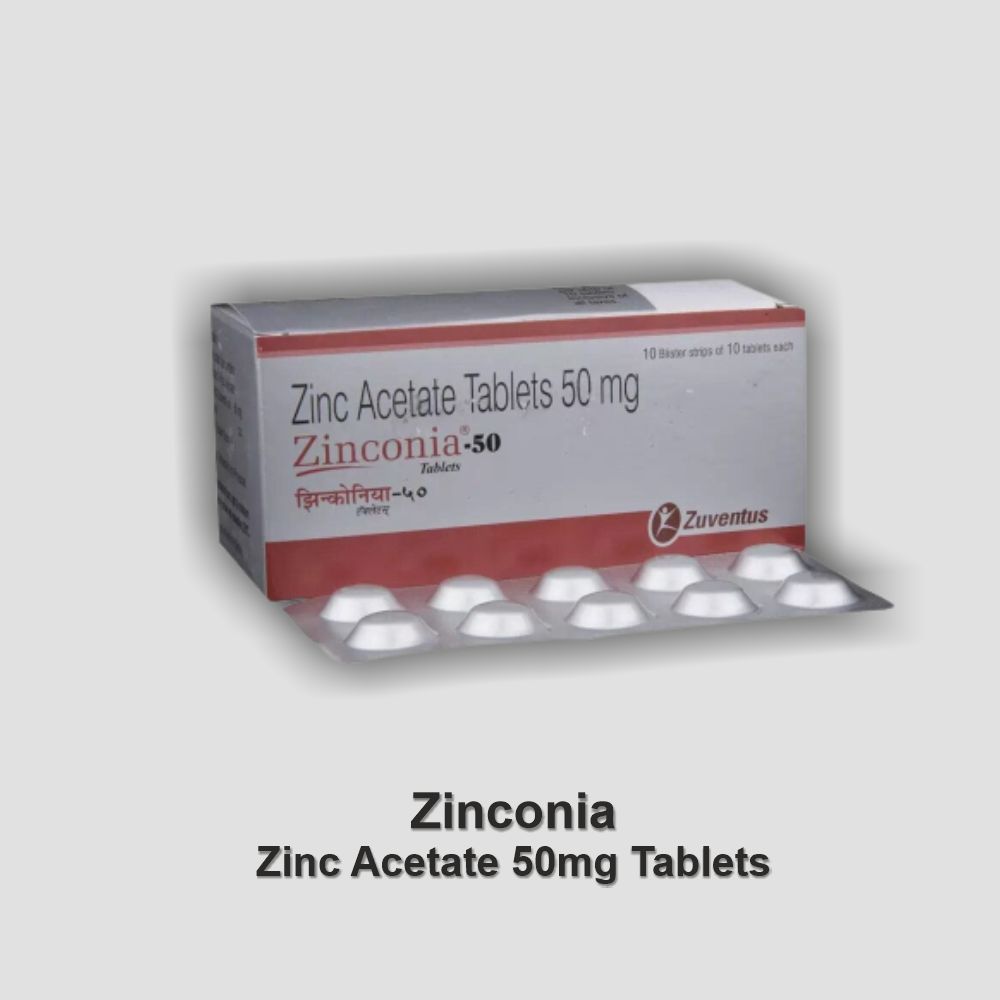
Brand name – Zinconia – 50
Generic name – Zinc Acetate 50mg
Manufacturer – Zuventus Ltd.
Packaging – 10 Tablets in 1 Strip
Delivery Time – 6 To 15 Days.
Zinc Acetate 50mg is an oral supplement tablet that delivers zinc in the form of zinc acetate salt. This is one of the most well-absorbed forms of zinc available. Each tablet provides approximately 14 to 15mg of elemental zinc. Zinc is an essential trace mineral that the human body cannot produce or store on its own. As a result, it must come from diet or supplements every day. Zinc plays a core role in hundreds of enzyme reactions, immune function, wound healing, protein building, DNA copying, cell division, and hormone regulation throughout the body.
Zinc acetate is widely recognized as one of the best-absorbed zinc forms available. The acetate salt dissolves easily in water and breaks apart efficiently in the gut, releasing ionic zinc for absorption through the intestinal lining. This gives zinc acetate a clear advantage over less soluble forms such as zinc oxide, which dissolves poorly and delivers inconsistent absorption. The 50mg dose is suited for treating confirmed zinc deficiency and for conditions that require therapeutic zinc supplementation. This positions it above typical low-dose maintenance supplements and within the range that doctors recommend when diet alone cannot restore adequate zinc levels.
Doctors recommend Zinc Acetate 50mg for several well-defined clinical situations. First, it directly treats confirmed zinc deficiency. This condition is more widespread than commonly appreciated. Groups at highest risk include malnourished individuals, elderly people with low dietary intake, patients with chronic gut diseases such as Crohn’s disease and ulcerative colitis, those with celiac disease or other absorption problems, heavy drinkers, pregnant and breastfeeding women, strict vegetarians and vegans, and patients on long-term intravenous feeding. Second, doctors use high-dose zinc acetate as a main treatment for Wilson’s disease. This is a rare inherited condition that causes toxic copper build-up in the liver, brain, and other organs. Third, it supports immune recovery in people with low zinc levels. Fourth, it helps wound healing in patients whose recovery is slowed by zinc shortfall. Fifth, it supports healthy skin, hair, and nails in people with confirmed deficiency.
Zinc takes part in more enzyme reactions than any other trace mineral in the body. Over 300 enzymes need zinc to work properly. These enzymes control DNA building, RNA copying, protein production, cell membrane strength, antioxidant defense, and inflammation control. Zinc also directly regulates the growth and activation of immune cells including T-lymphocytes, natural killer cells, and neutrophils. Even mild zinc shortage impairs immune protection, slows wound healing, disrupts hormone balance, and reduces mental sharpness. Because the body holds no significant zinc reserve, adequate daily zinc intake is essential throughout adult life.
Wilson’s disease is a genetic disorder in which copper builds up to harmful levels in the liver, brain, and other organs. Standard treatment includes copper-removing agents and zinc supplements. High-dose zinc acetate works through a specific and well-understood process. Zinc triggers the production of metallothionein, a protein in gut cells that binds copper very strongly. Copper bound to metallothionein inside gut cells cannot enter the bloodstream. Instead, it stays trapped and is removed from the body when these cells naturally shed. Zinc acetate therefore acts as a copper absorption blocker. This makes it different from but complementary to copper-removing agents. The 50mg dose fits within Wilson’s disease treatment protocols, though individual dosing must always follow the physician’s specific plan.
After swallowing a Zinc Acetate 50mg tablet, gastric acid dissolves it and releases zinc ions and acetate ions. These zinc ions then move into the small intestine, where most zinc absorption takes place. Zinc crosses the intestinal lining through two carrier proteins. ZIP4 moves zinc from the gut into the intestinal cell. ZnT1 then transfers zinc from the cell into the bloodstream. The acetate component improves dissolution and ionization, supporting more complete zinc release than less soluble zinc forms. This efficient release underpins the superior absorption profile of zinc acetate compared to zinc oxide and other zinc salts.
Zinc is essential to normal immune function at several levels simultaneously. It directly regulates T-lymphocyte production in the thymus gland. Without adequate zinc, thymus function declines and T-cell output falls. Zinc also supports natural killer cell function, enabling these specialized cells to destroy virus-infected cells and abnormal cells. Additionally, zinc controls the production of pro-inflammatory proteins called cytokines. Both too much and too little inflammation impair immune protection. By maintaining the balance between these states, zinc keeps immune responses effective without becoming harmful. Furthermore, zinc preserves the integrity of mucosal barriers in the airways and gut, which form the body’s first defense against pathogens.
Zinc is required at every stage of normal wound healing. During the inflammatory stage immediately after injury, zinc supports neutrophil and macrophage function. These are the immune cells that clear bacteria from the wound site. During the growth stage, zinc enables fibroblast proliferation, producing the new connective tissue cells that rebuild the wound’s structural base. During the final remodeling stage, zinc-dependent enzymes called matrix metalloproteinases regulate collagen reorganization and scar formation. Zinc shortage therefore impairs healing at every stage at once. Supplementation with Zinc Acetate 50mg in patients with confirmed deficiency directly addresses this multi-stage problem.
Every dividing cell in the body requires zinc for DNA copying and RNA production. Zinc-finger proteins are structural proteins that contain zinc and regulate how genetic information is read and copied during cell division. Without adequate zinc, cell division slows and DNA repair becomes less efficient. Tissue renewal across the body is impaired as a result. This is why zinc shortage produces visible effects in tissues with rapid cell turnover, including the skin, hair follicles, nails, and gut lining. Restoring zinc levels through supplementation normalizes these processes and supports the recovery of skin health, hair growth, and nail strength.
Zinc plays an important regulatory role in hormonal systems throughout the body. It is required for insulin production and release from the pancreatic beta cells. Zinc shortage impairs insulin function and contributes to poor blood sugar control. Additionally, zinc is essential for testosterone production in men. Zinc-dependent enzymes regulate key steps in the testosterone production pathway in the Leydig cells of the testes. Even moderate zinc deficiency is linked to lower testosterone levels. Supplementation in zinc-deficient men consistently produces measurable improvements in testosterone. Zinc also regulates thyroid hormone production and growth hormone signaling, making its role in hormonal health particularly broad.
In Wilson’s disease management, zinc acetate works by triggering metallothionein production in gut cells. Metallothionein is a small, cysteine-rich protein with very high affinity for both copper and zinc. When zinc enters gut cells through the ZIP4 transporter, it activates the metallothionein gene through a zinc-sensing protein called MTF1. The resulting metallothionein protein then binds copper from food in the gut with much higher affinity than it binds zinc. This copper-metallothionein complex cannot cross into the bloodstream. When these gut cells complete their normal lifespan and shed naturally, the trapped copper is removed from the body through the stool. Regular high-dose zinc supplementation therefore maintains a continuous copper-blocking effect in the gut every day.
The typical therapeutic dose of Zinc Acetate 50mg for confirmed zinc deficiency in adults is one tablet taken once or twice daily as directed by a doctor. The exact dose and duration depend on the severity of the deficiency, the underlying cause, the patient’s age and weight, and recovery progress measured through regular blood monitoring. Because the 50mg dose is a therapeutic level rather than a standard maintenance supplement, it is not suitable for long-term self-directed use without medical oversight. Anyone who suspects zinc deficiency must seek formal diagnosis through blood testing before starting supplementation at this dose level.
In Wilson’s disease management, zinc acetate doses used in clinical practice are much higher than standard deficiency replacement doses. Adult patients with Wilson’s disease commonly receive doses providing significantly more elemental zinc than a single 50mg zinc acetate tablet provides. The specific dosing plan for Wilson’s disease must therefore be determined entirely by the treating specialist. This is typically a liver specialist or metabolic disease doctor experienced in Wilson’s disease management. Self-directed zinc supplementation is not appropriate for this condition. Medical supervision, regular copper and zinc monitoring, and coordination with other treatments are all essential throughout care.
Swallow the tablet whole with a full glass of water. Food significantly affects zinc absorption. Taking zinc acetate on an empty stomach produces the highest and fastest peak zinc levels. However, some people feel nauseous when taking zinc without food. For those who find this uncomfortable, taking the tablet with a small light meal reduces nausea without greatly reducing absorption. Avoid taking Zinc Acetate 50mg alongside high-calcium foods such as dairy products, high-phytate foods such as whole grains and legumes, or iron supplements. Calcium, phytates, and iron all compete with zinc for absorption in the gut. This competition can meaningfully reduce the amount of zinc the body actually absorbs from each dose.
Zinc competes directly with copper and iron for absorption in the gut through shared transport channels. Taking high-dose zinc for extended periods without monitoring can progressively reduce copper levels and eventually cause copper deficiency. Symptoms of copper deficiency include anemia, nerve problems, and bone fragility. Men and women taking Zinc Acetate 50mg for prolonged periods must therefore have their copper levels checked regularly. Additionally, zinc supplements should be taken at least two hours apart from iron supplements, calcium supplements, and antacid products containing calcium or magnesium. This separation prevents competitive absorption interference between these minerals.
Certain medicines reduce zinc absorption or have their own absorption reduced by zinc. Tetracycline and quinolone antibiotics such as ciprofloxacin and doxycycline form insoluble complexes with zinc in the gut. This interaction reduces both zinc absorption and antibiotic absorption at the same time. Men and women taking these antibiotics must take Zinc Acetate 50mg at least two hours before or four to six hours after the antibiotic dose. Similarly, zinc reduces absorption of certain bisphosphonate medicines used for osteoporosis. Penicillamine, a copper-removing agent used in Wilson’s disease, also interacts with zinc and must be timed carefully alongside zinc supplementation. Always inform the doctor and pharmacist about zinc use before starting or changing any prescribed medicine.
Pregnant women need more zinc than the general adult population due to fetal demand during development. However, supplementation during pregnancy must only occur under direct medical supervision. Both zinc deficiency and excess zinc intake carry risks during pregnancy. Breastfeeding women also need additional zinc to support milk production. Elderly individuals often absorb zinc less efficiently due to age-related reductions in stomach acid and changes in gut transport function. The 50mg dose may be appropriate for confirmed deficiency in elderly patients but requires individual assessment given reduced absorption efficiency and concurrent medicine interactions in this group.
The most frequently reported side effect of zinc supplementation is gut discomfort. This includes nausea, stomach upset, abdominal cramping, and occasionally vomiting. These effects are strongest when zinc is taken on an empty stomach and typically resolve when taken with a small amount of food. At the 50mg dose, gut side effects occur more frequently than at lower maintenance doses. Taking the tablet with food, splitting the daily dose into smaller portions if prescribed multiple tablets daily, and staying well hydrated all help reduce these effects.
Some people notice a metallic or unpleasant taste after taking zinc acetate tablets. This results from zinc ions released during dissolution in the mouth before swallowing. It is temporary and typically resolves within minutes. Swallowing the tablet promptly with a full glass of water minimizes this effect. Men and women who notice persistent or particularly unpleasant taste effects should report these to their doctor. An alternative zinc form or a dose timing adjustment may reduce the problem.
The most important clinical risk with long-term high-dose zinc use is secondary copper deficiency. Zinc and copper share the same gut absorption pathway. Sustained high zinc intake progressively reduces copper absorption over weeks to months. Gradually falling copper levels can produce a recognizable syndrome. This includes a type of anemia that does not respond to iron treatment, nerve damage in the limbs, spinal cord problems, and bone abnormalities. This copper deficiency syndrome is fully preventable through regular blood monitoring and copper supplementation where needed. All patients taking Zinc Acetate 50mg for extended periods must receive regular blood tests for both zinc and copper levels throughout treatment.
Some people experience mild headache, dizziness, or general tiredness during the early weeks of high-dose zinc supplementation. These effects are generally short-lived and resolve as the body adjusts. Skin rashes or mild allergic reactions to zinc acetate tablets occur rarely. Any new skin reaction appearing after starting zinc supplementation warrants prompt reporting to the treating doctor for proper assessment.
Zinc toxicity from excessive supplementation, while uncommon at correct therapeutic doses, produces a clear clinical picture. Acute zinc toxicity from very high single doses causes severe nausea, vomiting, abdominal pain, diarrhea, and fatigue. Chronic toxicity from sustained excessive intake causes progressive copper deficiency, reduced immune function, lower HDL cholesterol, and disrupted iron metabolism. Men and women must never exceed the prescribed dose under any circumstances. They must also avoid combining it with other zinc-containing supplements or heavily fortified foods without informing their doctor. Combined intake may exceed safe upper limits without awareness.
Although rare at therapeutic doses, certain effects require prompt medical attention. Contact a doctor immediately if any of the following occur:
Zinc Acetate 50mg treats confirmed zinc deficiency in adults across a wide range of underlying causes. It also supports immune function, wound healing, skin health, and hormone regulation in zinc-deficient individuals. Additionally, doctors use high-dose zinc acetate as part of Wilson’s disease management to block gut copper absorption through metallothionein production. Its highly bioavailable acetate form ensures efficient zinc delivery compared to less soluble zinc supplements.
Zinc acetate dissolves readily in gut fluid and releases ionic zinc efficiently for absorption. Zinc oxide, by contrast, dissolves poorly and releases ionic zinc unreliably. Multiple bioavailability studies confirm that zinc acetate achieves higher and more consistent peak zinc blood levels than zinc oxide at equivalent doses. This superior absorption makes zinc acetate a more reliable clinical choice when consistent zinc delivery is important.
Several groups face the highest risk of zinc deficiency. Elderly adults with reduced dietary intake and declining gut absorption are consistently at risk. People with chronic gut diseases including Crohn’s disease, ulcerative colitis, celiac disease, and short bowel syndrome absorb zinc poorly. Strict vegetarians and vegans consume diets high in phytate compounds that block zinc absorption. Heavy alcohol users excrete excessive zinc through the kidneys. Pregnant and breastfeeding women have significantly higher zinc needs. Patients recovering from major surgery, burns, or serious illness also deplete zinc rapidly. Any individual in these groups with deficiency symptoms should seek blood testing and medical evaluation promptly.
Zinc deficiency produces a wide range of symptoms reflecting its essential role across multiple body systems. Common symptoms include frequent infections, slow wound healing, loss of taste or smell, hair thinning or loss, skin problems including acne and dry skin, white spots on fingernails, reduced appetite, reproductive problems in men, difficulty concentrating, and low mood. Because many of these symptoms overlap with other conditions, formal blood testing is essential before attributing them to zinc deficiency and beginning supplementation.
The timeline for improvement depends on both the severity of the deficiency and the symptom being treated. Blood zinc levels typically normalize within two to four weeks of consistent daily supplementation. Immune function improvements become measurable within four to six weeks. Skin, hair, and nail improvements may take eight to twelve weeks or longer because these changes reflect the growth of new tissue. Wound healing improvements can be faster in acutely deficient patients. Regular blood monitoring throughout treatment allows the doctor to confirm progress and adjust the dose as needed.
Yes. Zinc deficiency affects both men and women. Pregnant women, breastfeeding mothers, elderly women, and those with chronic gut conditions are among the groups at highest risk of zinc shortfall. Women who need therapeutic zinc supplementation at the 50mg level should do so under medical supervision with appropriate monitoring of zinc and copper levels. Pregnant women must specifically consult their doctor before starting any zinc supplement. Both deficiency and excess carry risks during pregnancy and the correct balance must be determined individually.
Yes. Tetracycline and quinolone antibiotics including doxycycline and ciprofloxacin form insoluble compounds with zinc ions in the gut. This interaction reduces absorption of both the zinc and the antibiotic at the same time, impairing both treatment outcomes simultaneously. Men and women taking these antibiotics must take Zinc Acetate 50mg at least two hours before or four to six hours after the antibiotic dose. Always inform the prescribing doctor and dispensing pharmacist about ongoing zinc supplementation before any antibiotic course begins.
Yes. This is the most important clinical risk with prolonged high-dose zinc supplementation. Sustained high zinc intake reduces copper absorption through competitive blocking of shared gut transport channels. Progressive copper loss over months produces a recognizable syndrome of anemia, neuropathy, spinal cord problems, and bone disease. All patients taking Zinc Acetate 50mg for extended periods must have copper levels checked regularly through blood testing. When monitoring shows declining copper status, the doctor may recommend a copper supplement or adjust the zinc dose accordingly.
Zinc supplementation is well supported by clinical evidence as a means of restoring immune function in people with confirmed zinc deficiency. Men and women whose immune function is impaired specifically because of low zinc levels benefit meaningfully from therapeutic supplementation. However, zinc supplementation in people who already have adequate zinc does not further boost immunity. At high doses, it may cause harm through toxicity or copper depletion in well-nourished individuals. Zinc Acetate 50mg for immune support is therefore most appropriate and most effective when confirmed or highly probable zinc insufficiency is present.
Pregnant and breastfeeding women must use zinc only under direct medical guidance. Those with Wilson’s disease require specialist-supervised dosing as part of a full treatment plan. Anyone taking tetracycline or quinolone antibiotics, bisphosphonates, or penicillamine must manage timing carefully under medical guidance. Anyone with known sensitivity to zinc or any tablet ingredient must avoid this product. Furthermore, anyone who suspects zinc deficiency but has not had formal blood testing should seek medical evaluation rather than self-prescribing at this therapeutic dose level. The 50mg strength is not appropriate for routine unmonitored self-supplementation.
The most clinically important reason to choose zinc acetate over other zinc forms is its consistently superior absorption. Multiple comparative studies confirm that zinc acetate achieves higher peak blood zinc levels and greater overall zinc uptake than zinc oxide, zinc carbonate, and several other commonly available zinc salts. This difference matters most at the therapeutic 50mg dose level, where consistent and predictable zinc delivery is essential for achieving the intended clinical outcome. Men and women using zinc to correct confirmed deficiency, support wound healing, or manage Wilson’s disease cannot afford unreliable absorption. The acetate form eliminates this uncertainty and delivers zinc to the bloodstream with maximum efficiency at every dose.
Zinc Acetate 50mg goes beyond the modest support provided by lower-dose dietary supplements. At the 50mg tablet strength, it delivers a genuinely therapeutic zinc dose capable of correcting clinically significant deficiency rather than merely maintaining borderline sufficiency. For men and women with documented zinc deficiency from absorption disorders, chronic illness, dietary restriction, or increased demand, lower-dose supplements often fail to restore zinc status within a clinically acceptable timeframe. The 50mg dose addresses deficiency at a meaningful level, accelerating the restoration of normal zinc status and enabling the body to resume all zinc-dependent functions at full biological capacity.
Zinc’s role in immune function is broader and more fundamental than any single-pathway nutrient. It simultaneously regulates T-lymphocyte maturation in the thymus, natural killer cell activity against viruses and abnormal cells, neutrophil antibacterial function, cytokine balance, and the structural integrity of mucosal defense barriers in the airways and digestive tract. When zinc deficiency impairs immune function, this multi-system impairment leaves the body vulnerable across all these defensive layers at once. Restoring zinc status through Zinc Acetate 50mg rebuilds immune function at every one of these levels together. No other single nutrient intervention produces such a broad and simultaneous restoration of immune competence. This makes zinc repletion one of the most impactful nutritional interventions available for genuinely zinc-deficient individuals.
Impaired wound healing in zinc-deficient patients is a well-recognized clinical problem across surgery, dermatology, and general medicine. Pressure ulcers, chronic leg ulcers, post-surgical wounds, and traumatic injuries all heal more slowly in patients with low zinc status. Because zinc is required across all three stages of wound healing, its deficiency creates a multi-point blockage in the repair process. Zinc Acetate 50mg supplementation in confirmed zinc-deficient patients with healing problems removes all these blockages at once. It directly enables the immune, cellular, and connective tissue processes that normal wound closure requires. For clinicians managing patients with non-healing wounds, confirmed zinc deficiency and therapeutic supplementation represent one of the most actionable treatment opportunities available.
Zinc’s role in male hormonal health deserves particular attention given its prevalence in the context of reproductive function. Testosterone production in the Leydig cells of the testes is directly zinc-dependent. Multiple zinc-requiring enzymes regulate key steps in the testosterone production pathway. Zinc-deficient men consistently show lower testosterone levels than zinc-sufficient men of the same age. Sperm production, sperm movement, and sperm DNA integrity also depend on adequate zinc availability in the testes. Clinical studies consistently show that zinc supplementation in deficient men produces meaningful improvements in testosterone levels, sperm parameters, and overall male fertility markers. For men with unexplained reproductive difficulties alongside other signs of deficiency, zinc status assessment represents an important and often overlooked clinical step.
For patients living with Wilson’s disease, zinc acetate supplementation is not simply a nutritional measure. It is a primary therapeutic intervention with a specific and well-characterized mechanism. By triggering metallothionein production in gut cells, zinc acetate continuously limits the amount of dietary copper that crosses from the gut into the bloodstream every day. This sustained copper-blocking effect, maintained through consistent daily zinc supplementation, is one of the two main treatment strategies for managing copper build-up in this serious genetic disease. The 50mg zinc acetate tablet provides a practical dose unit for physicians building individual Wilson’s disease zinc regimens. Combined with regular copper and zinc blood monitoring, zinc acetate supplementation is a cornerstone of long-term Wilson’s disease management.
One of zinc’s most important roles is as a structural component within superoxide dismutase, abbreviated as SOD. Superoxide dismutase is one of the body’s primary antioxidant enzymes. It converts harmful superoxide free radicals into less damaging oxygen species, protecting cells from oxidative damage. Zinc-deficient individuals show reduced SOD activity, higher oxidative stress markers, and greater cellular damage. Restoring zinc status through Zinc Acetate 50mg supplementation normalizes SOD function and supports the broader antioxidant defense network. This antioxidant contribution complements zinc’s immune and metabolic functions and adds an important protective dimension to supplementation in deficient individuals.
The visible physical signs of zinc deficiency, including hair thinning, brittle nails, slow nail growth, dry skin, acne, and dermatitis, result directly from zinc’s role in the rapid cell division and protein building that maintain these tissues. Hair follicles, skin cells, and nail matrix cells all divide continuously. They require consistent zinc availability for normal renewal. When zinc is deficient, these high-turnover tissues are among the first and most visibly affected in the body. Zinc Acetate 50mg supplementation in deficient individuals restores the cellular machinery of tissue renewal to full function. Clinical improvement in hair density, nail strength, and skin clarity typically becomes visible within eight to twelve weeks of consistent supplementation. This reflects the time needed for new zinc-replete cells to replace older deficient tissue throughout these structures.
Zinc Acetate 50mg tablets offer simple, convenient, once or twice daily oral use that most adults can integrate easily into any daily routine. Unlike intravenous zinc replacement, which requires clinical attendance and is reserved for the most severe hospitalized cases, oral zinc acetate supplementation suits outpatient and home-based therapeutic use. The tablet form provides a precise and consistent dose with every use, removing the variability inherent in estimating zinc from diet alone. This precision is particularly important at the therapeutic 50mg level, where consistent daily dosing determines the speed and completeness of zinc status restoration. Combined with the absorption advantages of the acetate form, this straightforward tablet format makes Zinc Acetate 50mg the most practical and clinically effective choice for outpatient therapeutic zinc supplementation across all relevant clinical situations.
Disclaimer: This content serves informational purposes only and does not replace professional medical advice. Zinc Acetate 50mg is a therapeutic supplement dose intended for confirmed zinc deficiency and specific medical conditions under appropriate clinical supervision. Always consult a licensed healthcare professional or qualified nutritionist before starting, stopping, or adjusting any supplement or prescribed medication. Do not self-prescribe therapeutic zinc doses without formal medical assessment and blood testing to confirm zinc status.
 Ivermectin
 Anti Viral
 Anti Viral
 Antibiotics
Explore Medicines
Select Using Category