

Introduction
Across the world, people diagnosed with cancer often explore a wide range of information about treatment options, including conventional medicine, supportive therapies, and experimental research. In recent years, ivermectin has been mentioned in online discussions related to cancer.
This page provides a balanced overview of what ivermectin is, where it is currently approved for use, and what individuals with cancer should understand before considering any off-label or experimental use.
What Is Ivermectin?
Ivermectin is a medication widely used for the treatment of certain parasitic infections. It has been approved for specific medical conditions in humans and animals for decades.
It is not approved as a cancer treatment by major regulatory authorities such as the FDA, EMA, Health Canada, or other global health agencies.
Some laboratory and early-stage research has explored how ivermectin interacts with cells under experimental conditions. However, laboratory research does not automatically translate into safe or effective treatment for humans with cancer.
Why Is Ivermectin Being Discussed in Cancer Conversations?
There are several reasons ivermectin appears in online discussions:
- Laboratory studies exploring cellular mechanisms
- Public interest in drug repurposing
- Social media amplification of preliminary findings
- Interest in lower-cost medications
It’s important to understand that early research findings are not the same as proven clinical treatment.
At present, ivermectin is not included in standard oncology treatment guidelines worldwide.
What People With Cancer Should Consider
When facing a cancer diagnosis, it is natural to look for additional options. However, it is important to consider:
- Whether the therapy is approved for cancer treatment
- Whether clinical trials support its safety and effectiveness
- Potential interactions with chemotherapy, immunotherapy, or radiation
- Risks of delaying established treatment
Self-medicating or substituting prescribed oncology care with unproven options may carry serious health risks.
Understanding Supportive Discussions vs. Medical Claims
In some contexts, ivermectin may be discussed as part of broader research conversations around drug repurposing. However:
- There is currently no established clinical evidence confirming ivermectin as an effective cancer treatment
- Claims suggesting it can cure or treat cancer are not supported by regulatory authorities
- Marketing it as a cancer therapy would be considered misleading in many countries
Responsible communication around health topics requires transparency and adherence to scientific evidence.
The Importance of Evidence-Based Cancer Care
Cancer treatment typically involves a structured plan developed by oncology professionals. This may include:
- Surgery
- Chemotherapy
- Immunotherapy
- Targeted therapy
- Radiation therapy
- Palliative or supportive care
Treatment decisions are based on:
- Cancer type
- Stage
- Molecular characteristics
- Patient health history
These decisions are individualized and guided by established clinical research.
What to Do If You’re Considering Alternative or Off-Label Options
If you are curious about ivermectin or any other non-standard therapy:
- Speak with your oncologist
- Ask about ongoing clinical trials
- Discuss possible drug interactions
- Evaluate information from peer-reviewed sources
- Avoid relying solely on anecdotal reports
Open communication with healthcare providers is essential.
Frequently Asked Questions (FAQ)
Is ivermectin approved to treat cancer?
No. Ivermectin is not approved as a cancer treatment by major health authorities worldwide.
Why do some websites mention ivermectin and cancer together?
Some early laboratory studies have explored its effects on cells, which has led to online discussion. However, laboratory research does not confirm effectiveness in humans.
Can ivermectin replace chemotherapy?
There is no scientific evidence supporting ivermectin as a substitute for standard cancer treatments.
Is ivermectin safe to take during cancer treatment?
It may interact with other medications. Anyone undergoing cancer treatment should speak with their healthcare provider before taking additional medications.
Are there clinical trials studying ivermectin for cancer?
Occasionally, research may explore repurposing existing drugs. Patients can check clinical trial registries for updated information.
Why is drug repurposing discussed in cancer research?
Drug repurposing looks at whether existing medications might have additional applications. However, most repurposing research does not lead to approved treatments.
What should I bring to my doctor if I want to discuss alternative therapies?
Bring a list of supplements or medications you’re considering, along with any articles or studies you’ve read. This helps your provider give informed guidance.
Should I trust online testimonials about ivermectin and cancer?
Testimonials are personal experiences and are not substitutes for scientific evidence.
A cancer diagnosis can bring uncertainty and urgency. It’s understandable to explore every possible avenue. At the same time, safe and informed decisions are essential.
If you have questions about any medication — including ivermectin — the safest step is a transparent discussion with a qualified healthcare professional. Evidence-based guidance, open communication, and personalized care remain the foundation of responsible cancer treatment worldwide.
Products by Category
-
Antiflu 75mg (Oseltamivir) Tablets
Price range: $88.00 through $250.00 -
Artemisinin 100mg (HealthVit) Capsules
Price range: $38.00 through $170.00 -
Artemisinin 500mg Capsules
Price range: $38.00 through $105.00 -
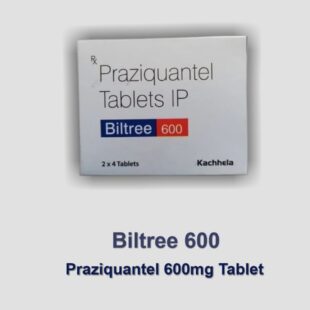
Biltree (Praziquantel 600mg) Tablets
Price range: $40.00 through $112.00 -
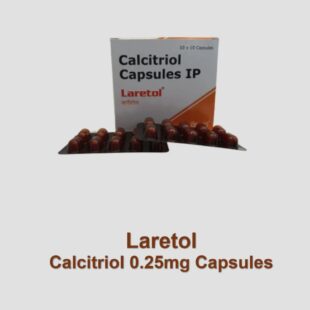
Calcitriol 0.25mg (Laretol) Capsules
Price range: $32.00 through $91.00 -
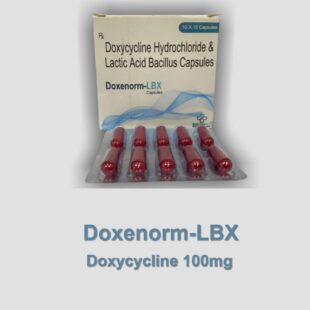
Doxycycline 100mg (Doxenorm-LBX)
Price range: $50.00 through $150.00 -
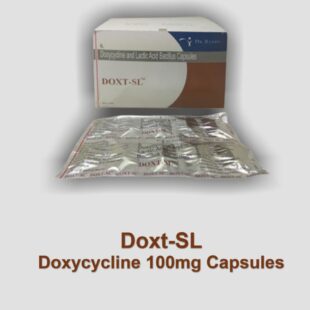
Doxycycline 100mg (DOXT-SL)
Price range: $60.00 through $160.00 -
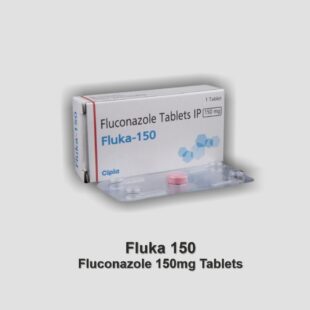
Fluconazole 150mg (Fluka) Tablets
Price range: $42.00 through $110.00 -
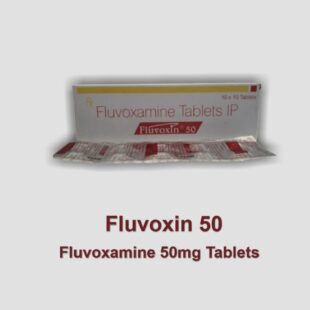
Fluvoxamine 50mg (Fluvoxin) Tablets
Price range: $44.00 through $125.00






The Complete Anti-Cancer Stack: Ivermectin + Fenbendazole + Mebendazole + HCQ (2026 Protocol Guide)
You have done the research. You have read the Joe Tippens story. You have watched Mel Gibson’s Joe Rogan interview. Reddit threads, Telegram groups, the
Mebendazole 500mg vs Fenbendazole 222mg: Which Is Better for Cancer Protocols?
Two cheap antiparasitic drugs. One approved for human use since 1971. One made famous by a veterinary dewormer and a stage-four lung cancer survivor. Both
HCQ 200mg + Ivermectin: The Synergy Protocol Cancer Patients Are Quietly Using in 2025
Two generic drugs. Both over 35 years old. Both cheap enough that a full month’s supply costs less than a single chemotherapy copay. Both listed
Ivermectin + Fenbendazole Stack: The Combination Protocol Taking Reddit, Telegram and Podcasts by Storm in 2025
Mel Gibson sat across from Joe Rogan in January 2025 and casually mentioned three friends — all diagnosed with stage IV cancer — who no
Why Your Doctor Won’t Prescribe Ivermectin 12mg — And Where Americans Are Getting It Online in 2026
You asked your doctor for ivermectin 12mg. They said no. Furthermore, they may have dismissed the question entirely — or looked at you like you
The Fenbendazole 222mg Cancer Protocol: Joe Tippens’ Full Story and the 2025 Research Update
In 2016, Joe Tippens received a terminal diagnosis. Doctors told him he had roughly three months to live. Small-cell lung cancer had spread to his