


Every year, medication errors affect millions of patients — and a large number of them happen because people misread or misunderstand their prescription labels. Whether you’re picking up a new medication or refilling an old one, knowing exactly what each part of your label means can protect your health and help you get the most out of your treatment.
This guide walks you through every section of a standard prescription label, explains what the terms mean, and tells you what warning signs to watch for.
Why Prescription Labels Matter
A prescription label is more than a sticker on a bottle. It is a legal document that communicates your doctor’s instructions, the pharmacist’s dispensing record, and critical safety information — all in a compact format. Misreading even one element, such as the dosage frequency or the expiration date, can lead to underdosing, overdosing, or dangerous drug interactions.
According to the U.S. Food and Drug Administration (FDA), medication errors are among the most common and preventable causes of patient harm in the United States. Reading your label carefully every single time is one of the simplest things you can do to protect yourself.
The Standard Sections of a Prescription Label
While label formats vary slightly by country and pharmacy, most prescription labels contain the same core sections. Here is what each one means.
1. Patient Name
What it is: Your full legal name as registered with the pharmacy.
Why it matters: Always verify that the name on the label matches yours exactly before taking any medication. If you pick up someone else’s prescription by mistake, the medication may be the wrong drug, wrong dose, or may interact badly with your own medications.
What to do if it’s wrong: Return the medication to the pharmacist immediately. Do not take it.
2. Prescription Number (Rx Number)
What it is: A unique identification number assigned to your prescription by the pharmacy.
Why it matters: This number is used to track your prescription, request refills, and resolve insurance billing issues. Keep it handy when calling your pharmacy.
Pro tip: Store your Rx numbers in your phone or a dedicated health app for easy access when requesting refills.
3. Date Filled
What it is: The date the pharmacy dispensed the medication.
Why it matters: This date helps you track when your supply started, calculate when you’ll need a refill, and determine how long you’ve been on a medication. It is also important context when assessing expiration.
4. Prescribing Doctor’s Name
What it is: The full name and often the contact information of the physician, nurse practitioner, or other licensed prescriber who wrote the prescription.
Why it matters: If you have questions about why you were prescribed the medication, possible side effects, or dosage concerns, this tells you who to contact. It also helps verify legitimacy — especially important for controlled substances.
5. Drug Name (Brand and/or Generic)
What it is: The name of the medication, which may appear as the brand name (e.g., Zithromax), the generic name (e.g., azithromycin), or both.
Why it matters: Generic drugs contain the same active ingredient as their brand-name counterparts and are therapeutically equivalent, but they may look different in size, color, or shape. If your refill looks different from your last supply, check the drug name and strength to confirm it is the same medication before assuming there has been an error.
Common confusion point: Many patients are alarmed when their refill pill looks different. This usually just means the pharmacy switched generic manufacturers — the drug itself is identical.
6. Strength (Dosage)
What it is: The amount of active ingredient in each tablet, capsule, or milliliter of liquid — for example, 500 mg, 250 mg/5 mL, or 0.1%.
Why it matters: This is one of the most critical numbers on your label. Taking the wrong strength — even of the correct medication — can result in serious harm. Double-check the strength every time you pick up a new or refilled prescription, especially if your doctor recently changed your dose.
Example: If your doctor increased your blood pressure medication from 5 mg to 10 mg, confirm the new bottle reflects the 10 mg strength, not the old 5 mg.
7. Quantity Dispensed
What it is: The total number of pills, capsules, patches, or volume of liquid in your prescription — for example, “Qty: 30 tablets” or “Qty: 100 mL.”
Why it matters: Verifying quantity helps you confirm you received the full amount billed by your insurance and allows you to plan refills accurately. Count your pills when you get home if you’re unsure.
8. Directions for Use (Sig)
What it is: Instructions on how to take the medication, derived from the Latin abbreviation “Sig” (short for signa, meaning “write” or “label”). This is the section that tells you how much to take, how often, and under what conditions.
Why it matters: This is arguably the most important section of the entire label. Misunderstanding the directions is the single most common cause of medication errors.
Common Direction Abbreviations Decoded
Pharmacists often use abbreviated Latin terms on labels. Here are the most common ones:
| Abbreviation | Latin Origin | Meaning |
|---|---|---|
| QD or QD | quaque die | Once daily |
| BID | bis in die | Twice daily |
| TID | ter in die | Three times daily |
| QID | quater in die | Four times daily |
| QHS | quaque hora somni | At bedtime |
| PRN | pro re nata | As needed |
| AC | ante cibum | Before meals |
| PC | post cibum | After meals |
| PO | per os | By mouth (oral) |
| SL | sub lingua | Under the tongue |
What to watch for: If the directions say “take twice daily” but you feel the dose should be higher or lower, speak to your doctor before adjusting. Never self-adjust dosage based on how you feel.
9. Refills Remaining
What it is: The number of times you can have this prescription refilled without contacting your doctor for a new prescription.
Why it matters: Running out of refills unexpectedly — especially for chronic condition medications like antihypertensives, thyroid medication, or antidepressants — can interrupt your treatment and cause health complications.
Planning tip: Request a refill when you have approximately a 7–10 day supply remaining, not when you’re completely out. This gives time for processing and shipping if you use a mail-order pharmacy.
Important note: Controlled substances (such as certain painkillers and ADHD medications) often have zero refills permitted and require a new prescription each time, by law.
10. Expiration Date
What it is: The date after which the manufacturer no longer guarantees the medication’s full potency and safety.
Why it matters: Medications can degrade over time. An expired medication may be less effective or, in rare cases, potentially harmful. The FDA advises not to use medications past their expiration date.
Exception: In certain emergency circumstances, the FDA has established that some medications retain potency well beyond their labeled expiration date, but this applies to carefully stored medications in controlled environments — not your bathroom cabinet. When in doubt, ask your pharmacist.
Storage tip: Heat and humidity accelerate medication degradation. Despite common practice, the bathroom medicine cabinet is actually a poor storage location. A cool, dry place like a bedroom dresser drawer is much better.
11. Pharmacy Information
What it is: The name, address, and phone number of the dispensing pharmacy.
Why it matters: This is your point of contact for refills, billing questions, drug interaction checks, and general medication questions. Pharmacists are highly trained clinicians and are often the most accessible healthcare professional you can speak to without an appointment.
12. Warning Labels (Auxiliary Labels)
What it is: Brightly colored sticker labels attached alongside the main label, each carrying a specific safety warning.
Why it matters: These are not decorative. Each warning reflects a real clinical concern about your specific medication. Ignoring them can be dangerous.
Common Warning Labels and What They Mean
“Take with food or milk” This medication can irritate the stomach lining. Taking it with food reduces nausea and protects the gastrointestinal tract. Examples include ibuprofen, naproxen, and certain antibiotics.
“Do not take with dairy products, antacids, or iron” Some medications — particularly certain antibiotics — bind to calcium or iron ions and become significantly less effective when taken with dairy, antacids, or supplements. Tetracyclines and fluoroquinolones fall into this category.
“Avoid prolonged exposure to sunlight” Certain medications increase your skin’s sensitivity to UV radiation, a condition called photosensitivity. This can lead to severe sunburn even with brief sun exposure. Common culprits include doxycycline, some diuretics, and certain antifungals.
“May cause drowsiness — use care when operating a motor vehicle or machinery” This warning is serious. Medications that affect the central nervous system — including antihistamines, muscle relaxants, opioid pain relievers, and some antidepressants — can significantly impair your reaction time and judgment.
“Do not drink alcoholic beverages when taking this medication” Alcohol interacts with many medications in dangerous ways. With some drugs (like metronidazole), the combination causes violent nausea. With others (like sedatives or opioids), it can cause dangerous respiratory depression.
“Finish all of this medication unless otherwise directed by your physician” This warning appears almost universally on antibiotics. Stopping an antibiotic course early — even if you feel better — allows surviving bacteria to potentially develop resistance, making future infections harder to treat.
“Keep refrigerated” Certain medications (liquid antibiotics, some insulin formulations, some eye drops) require refrigeration to maintain stability. Storing them at room temperature can degrade the medication significantly.
Special Considerations for Specific Medication Types
Liquid Medications
Labels for liquid medications include concentration (mg per mL) rather than just mg. Pay careful attention to the difference between the full bottle and the per-dose amount. A syringe or measuring cup is always preferable to a kitchen spoon, which is notoriously inaccurate.
Controlled Substances
Prescriptions for Schedule II–V controlled substances (opioids, stimulants, benzodiazepines, etc.) will have additional markings and restrictions on the label. Federal law governs refills, and many states have additional requirements. Never share controlled substance medications, and store them securely.
Pediatric Medications
Children’s medication doses are almost always weight-based. The label should specify dosing in mg/kg or provide a weight-based dosing table. Never assume a child’s dose based on an adult prescription. Always confirm with the pharmacist if you have any uncertainty.
Eye and Ear Drops
These labels will specify which eye or ear to treat (OD = right eye, OS = left eye, OU = both eyes), the number of drops per dose, and frequency. Using the wrong eye for a medicated drop can have consequences — always read carefully.
Red Flags: When to Go Back to the Pharmacist
Before leaving the pharmacy — or before taking any medication for the first time — pause and check for these warning signs:
- The patient name on the label is not yours
- The drug name or strength does not match what your doctor told you to expect
- The directions seem unclear, contradictory, or significantly different from what your doctor told you
- The pill, capsule, or liquid looks dramatically different from what you were told to expect
- The expiration date has already passed
- There are no warning labels, and you know the medication typically carries several
In any of these cases, do not take the medication. Return to the pharmacy counter and ask the pharmacist to review the label with you. This is not an inconvenience — it is exactly what pharmacists are there for.
Questions to Ask Your Pharmacist
When picking up a new prescription, consider asking these questions:
- What is this medication for, and how does it work?
- How and when should I take it?
- Are there foods, drinks, or supplements I should avoid?
- What are the most common side effects, and what should I do if I experience them?
- What do I do if I miss a dose?
- Can I take this with my other medications?
- Is there a generic version available if cost is a concern?
Pharmacists are required by law to offer counseling on new prescriptions in most jurisdictions. Take advantage of this resource.
How to Store Your Prescription Records
Good medication management goes beyond reading the label in the moment. Consider keeping a personal medication log that includes:
- Drug name (brand and generic)
- Strength and dose
- Prescribing doctor
- Date started
- Reason prescribed
- Rx number and pharmacy
- Any side effects experienced
This information is invaluable during emergency room visits, when seeing a new doctor, or when traveling. Many smartphone health apps offer a structured way to maintain this record.
Frequently Asked Questions
Q: What should I do with expired medications? Do not throw them in the trash or flush them down the toilet (both have environmental consequences). Most pharmacies participate in drug take-back programs, and many communities hold periodic take-back events. The FDA also provides guidance on safe disposal methods for specific medications.
Q: What if I can’t read the label because the print is too small? Ask the pharmacist for a large-print label — this is a standard accommodation available at most pharmacies. You can also ask for the pharmacist to verbally walk you through the instructions.
Q: Can I split my pills to save money? Only if your doctor and pharmacist confirm the medication is safe to split. Many medications — including extended-release formulations, coated tablets, and capsules — must never be split or crushed, as this can alter how the drug is released into your body and cause dangerous over- or under-dosing.
Q: My two prescriptions have the same warning label. Does that mean they interact? Not necessarily — the same warning can apply to many different drugs for different reasons. Always ask your pharmacist to perform a drug interaction check whenever you are starting a new medication.
Q: Is it safe to take someone else’s prescription if we have the same condition? No. Even if the diagnosis is the same, medications are prescribed based on individual factors including weight, kidney function, other medications, allergies, and medical history. Taking someone else’s prescription is unsafe and illegal.
Summary
Reading your prescription label correctly is a foundational health skill that takes only a minute but can make a significant difference in your safety. The key elements to verify every time are the patient name, drug name, strength, directions for use, and any auxiliary warning labels. When in doubt, ask your pharmacist — they are one of the most underutilized healthcare resources available to you, often without an appointment and at no additional cost.
You can buy
-
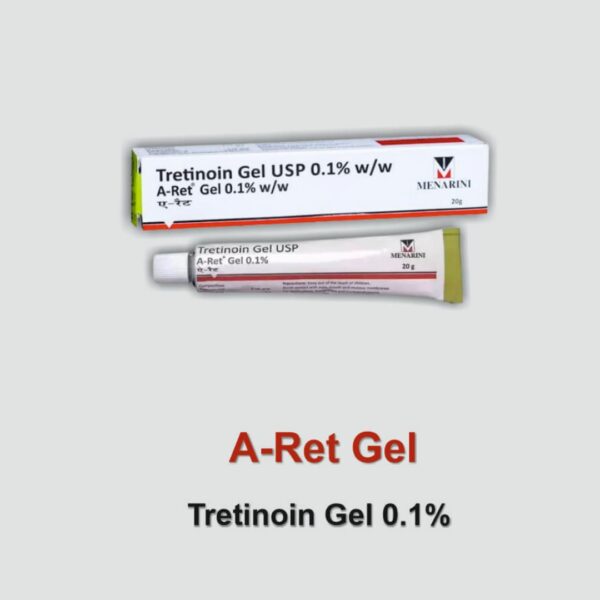
A-Ret 0.1% Gel
Price range: $60.00 through $176.00 -
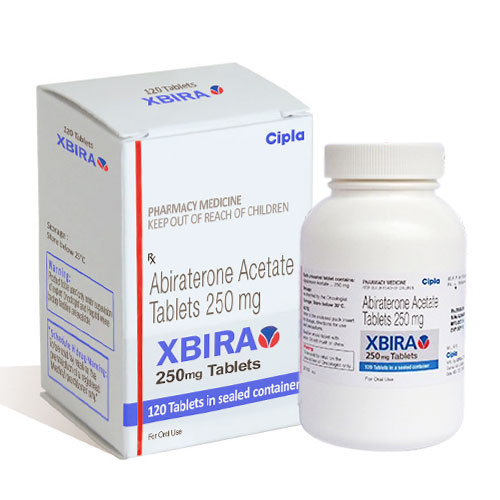
Abiraterone 250mg (Xbira) Tablets
Price range: $480.00 through $930.00 -
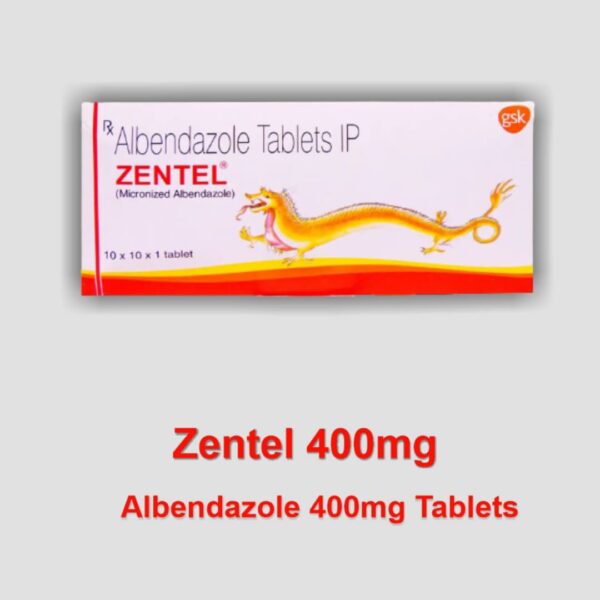
Albendazole 400mg Zentel Tablets
$92.00 -
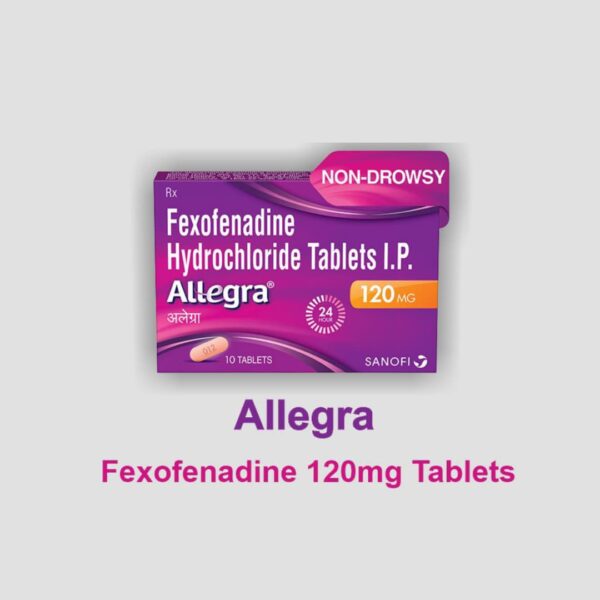
Allegra 120mg (Fexofenadine) Tablets
$94.00
This article is for educational purposes only and does not constitute medical advice. Always consult your licensed healthcare provider or pharmacist for guidance specific to your health situation.





The Complete Anti-Cancer Stack: Ivermectin + Fenbendazole + Mebendazole + HCQ (2026 Protocol Guide)
You have done the research. You have read the Joe Tippens story. You have watched Mel Gibson’s Joe Rogan interview. Reddit threads, Telegram groups, the
Mebendazole 500mg vs Fenbendazole 222mg: Which Is Better for Cancer Protocols?
Two cheap antiparasitic drugs. One approved for human use since 1971. One made famous by a veterinary dewormer and a stage-four lung cancer survivor. Both
HCQ 200mg + Ivermectin: The Synergy Protocol Cancer Patients Are Quietly Using in 2025
Two generic drugs. Both over 35 years old. Both cheap enough that a full month’s supply costs less than a single chemotherapy copay. Both listed
Ivermectin + Fenbendazole Stack: The Combination Protocol Taking Reddit, Telegram and Podcasts by Storm in 2025
Mel Gibson sat across from Joe Rogan in January 2025 and casually mentioned three friends — all diagnosed with stage IV cancer — who no
Why Your Doctor Won’t Prescribe Ivermectin 12mg — And Where Americans Are Getting It Online in 2026
You asked your doctor for ivermectin 12mg. They said no. Furthermore, they may have dismissed the question entirely — or looked at you like you
The Fenbendazole 222mg Cancer Protocol: Joe Tippens’ Full Story and the 2025 Research Update
In 2016, Joe Tippens received a terminal diagnosis. Doctors told him he had roughly three months to live. Small-cell lung cancer had spread to his