

Introduction
Ivermectin has been one of the most searched pharmaceutical names on the internet over the past several years, and that trend continues well into 2026. Whether you’ve been prescribed it by a physician, heard about it from a family member, or are simply researching antiparasitic medications for educational purposes, understanding exactly what ivermectin is, how it works, and what Covilife 40 mg tablets specifically contain is critically important.
Covilife 40 mg tablets represent one of the higher-strength formulations of ivermectin available in certain markets. This article is intended purely for informational and educational purposes. Nothing written here should be taken as medical advice, and ivermectin — like all prescription medications — should only be used under the direct supervision of a licensed healthcare provider.
If you are currently dealing with a parasitic infection or any related condition, please consult a qualified doctor before taking any medication.
What Is Ivermectin?
Ivermectin is a broad-spectrum antiparasitic medication belonging to the avermectin class of drugs. It was first discovered in the late 1970s through a collaboration between Japanese microbiologist Satoshi Omura and Irish pharmacologist William Campbell, a discovery that eventually earned them the Nobel Prize in Physiology or Medicine in 2015. The drug was originally developed for veterinary use but was quickly recognized for its profound effectiveness in treating parasitic diseases in humans.
At its core, ivermectin works by binding to glutamate-gated chloride ion channels found in invertebrate nerve and muscle cells. This binding causes an increase in the permeability of the cell membrane to chloride ions, leading to hyperpolarization of the nerve or muscle cell, paralysis, and ultimately the death of the parasite. Crucially, because mammals do not have glutamate-gated chloride channels in the same configuration, and because ivermectin does not readily cross the blood-brain barrier in humans at therapeutic doses, it is generally considered safe for human use when properly dosed.
The World Health Organization lists ivermectin as an essential medicine, recognizing its importance in global health programs targeting diseases like onchocerciasis (river blindness) and lymphatic filariasis. The U.S. Food and Drug Administration has approved ivermectin for specific human parasitic infections, though it has also issued guidance clarifying what the drug is and is not approved to treat.
For more information, you can refer to the WHO’s essential medicines list here: https://www.who.int/groups/expert-committee-on-selection-and-use-of-essential-medicines/essential-medicines-lists and the FDA’s official ivermectin information page here: https://www.fda.gov/consumers/consumer-updates/why-you-should-not-use-ivermectin-treat-or-prevent-covid-19
About Covilife 40 mg Tablets
Covilife 40 mg is a branded pharmaceutical formulation that contains ivermectin as its active ingredient at a strength of 40 milligrams per tablet. This is notably a higher dose than many commonly available ivermectin tablets, which are frequently marketed in 3 mg, 6 mg, or 12 mg strengths in most regulated markets.
The brand name “Covilife” has been primarily associated with pharmaceutical manufacturers operating in South Asia, particularly in India, where generic drug manufacturing is a major industry and a wide variety of ivermectin formulations are produced and distributed. Covilife tablets typically come in blister pack or strip packaging with the standard composition of ivermectin as the active pharmaceutical ingredient along with standard tablet excipients such as microcrystalline cellulose, colloidal silicon dioxide, magnesium stearate, and coating agents.
The prescription status of ivermectin varies significantly by country. In the United States, ivermectin is a prescription-only drug. In the United Kingdom, Australia, and Canada, it similarly requires a valid prescription from a licensed physician. In some countries in South Asia, Southeast Asia, and parts of Latin America, regulations may differ, but this does not mean the drug should be self-administered without medical guidance regardless of local availability.
Patients and caregivers should always check the regulatory status of ivermectin in their specific country before attempting to obtain it.
Medical Uses of Ivermectin
Ivermectin has a well-established and evidence-based role in treating a number of parasitic infections in humans. The following are the primary medically approved and widely recognized uses:
Strongyloidiasis is a parasitic roundworm infection caused by Strongyloides stercoralis. It is endemic in many tropical and subtropical regions and can become life-threatening in immunocompromised individuals. Ivermectin is considered the first-line treatment for this condition by major health authorities worldwide.
Onchocerciasis, commonly known as river blindness, is caused by the filarial worm Onchocerca volvulus and transmitted through the bites of blackflies near fast-flowing rivers. Ivermectin is the cornerstone drug used in mass drug administration programs aimed at controlling and eventually eliminating this disease globally.
Scabies, a highly contagious skin infestation caused by the mite Sarcoptes scabiei, is another condition for which oral ivermectin is used, particularly in cases of crusted (Norwegian) scabies or in outbreak settings where topical treatments are impractical.
Head lice (pediculosis capitis) have also been treated with topical and oral ivermectin in certain clinical situations, particularly in treatment-resistant cases.
On the veterinary side, ivermectin is widely used in livestock, horses, dogs, and other animals to treat a variety of parasitic infestations. It is critically important to understand that veterinary-grade ivermectin products are not formulated for human use. They may contain concentrations or additional ingredients that are unsafe for humans, and using them poses serious health risks. The CDC has addressed this issue directly: https://www.cdc.gov/parasites/ivermectin/index.html
Regarding off-label use: ivermectin received enormous global attention during the COVID-19 pandemic, with some researchers and clinicians proposing it as a potential antiviral treatment. As of the current date, major health organizations including the WHO, FDA, CDC, and NIH do not recommend ivermectin for the prevention or treatment of COVID-19 outside of clinical trial settings, based on the available clinical evidence. Any decision to use ivermectin off-label must involve a careful discussion between a patient and their physician.
Recommended Dosage and Administration
Ivermectin dosing in humans is primarily weight-based, which is one of the reasons why different tablet strengths exist across the market. The standard recommended dose for most approved indications in adults is approximately 150 to 200 micrograms per kilogram of body weight (mcg/kg), administered as a single oral dose or as a repeated course depending on the condition being treated.
For a person weighing 80 kilograms, for example, the appropriate single dose would typically fall in the range of 12 to 16 mg of ivermectin. A 40 mg tablet therefore represents a significantly higher dose than standard formulations, and its use would be restricted to situations where a physician has determined that a higher dose is clinically appropriate, such as in severe or disseminated strongyloidiasis or in certain body weight ranges where standard doses would be insufficient.
Ivermectin tablets are generally taken orally on an empty stomach, typically with water, as food — particularly a high-fat meal — can significantly alter the absorption of the drug and lead to higher-than-expected plasma levels, which increases the risk of adverse effects.
It cannot be stressed enough that the 40 mg strength of this medication demands precise medical oversight. Self-dosing with high-strength ivermectin tablets without a physician’s prescription and guidance is dangerous and should never be attempted.
Safety Information
Like all medications, ivermectin carries a risk of side effects, and these risks increase with higher doses and in certain vulnerable populations.
Common side effects that have been reported in clinical use include nausea, vomiting, diarrhea, dizziness, headache, and skin rash. These reactions are generally mild and self-limiting.
More serious reactions can occur, particularly in patients with heavy Loa loa (loiasis) co-infection, where ivermectin has been associated with severe neurological adverse events including encephalopathy. Patients in regions where Loa loa is endemic should be screened before ivermectin treatment.
Mazzotti reaction, a set of inflammatory symptoms triggered by the rapid death of parasites (particularly microfilariae in onchocerciasis patients), can include fever, itching, skin rash, swelling, and eye inflammation. While not caused by ivermectin toxicity per se, it can be alarming and requires supportive management.
Drug interactions are also a consideration. Ivermectin may interact with anticoagulants such as warfarin, and caution is warranted when co-administering with other medications that affect the central nervous system. Drugs that inhibit P-glycoprotein (such as certain HIV antiretrovirals) can increase ivermectin levels in the blood.
Ivermectin is classified as FDA Pregnancy Category C, meaning that animal studies have shown adverse effects on the fetus and there are no adequate well-controlled studies in humans. The drug should only be used during pregnancy if the potential benefit clearly justifies the potential risk to the fetus. Ivermectin is also excreted in low concentrations in breast milk, and its use by breastfeeding mothers is generally not recommended unless specifically directed by a physician.
Elderly patients and those with liver disease or compromised immune systems should exercise additional caution and require careful medical evaluation before use.
For a comprehensive safety profile, the National Institutes of Health’s MedlinePlus resource is an excellent reference: https://medlineplus.gov/druginfo/meds/a607069.html
Online Availability and Buying Information
The rise of online pharmacies and e-commerce platforms has made it easier than ever for consumers to search for and attempt to purchase medications like ivermectin without a valid prescription. While this reflects a broader shift in how people access healthcare information and products, it also comes with significant risks.
In the United States, Canada, the United Kingdom, Australia, and most of the European Union, purchasing prescription medications without a valid prescription is illegal, regardless of the platform or country of origin of the product. Customs authorities in these countries actively intercept pharmaceutical shipments that do not comply with local regulations.
You can purchase it from our website later you can email the prescrioption document
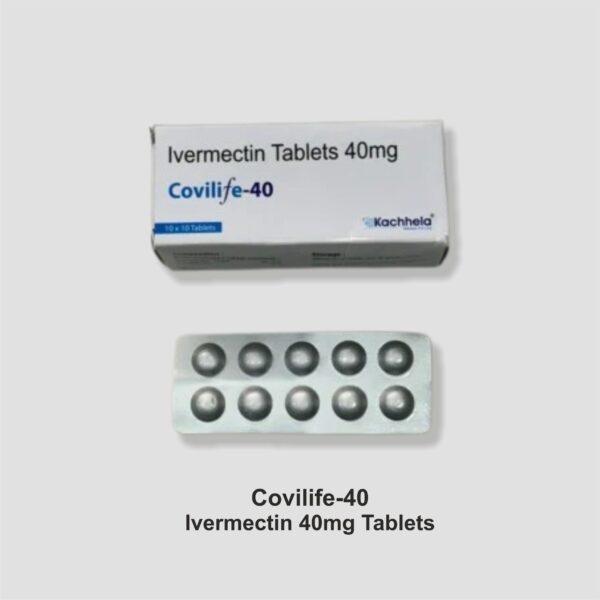
Ivermectin 40mg (Covilife 40mg) Tablets
Brand name – Covilife 40mg
Generic name – Ivermectin 40mg
Manufacturer – Kachhela Medex PVT LTD
Packaging – 10 x 10 Tablets in 1 Pack
Delivery Time – 6 To 15 Days.
Legitimate online pharmacies do exist and operate legally. In the United States, you can verify whether an online pharmacy is properly licensed through the National Association of Boards of Pharmacy (NABP) at https://nabp.pharmacy. In the UK, look for the registered pharmacy logo on pharmacy websites, verifiable through the General Pharmaceutical Council at https://www.pharmacyregulation.org.
The safest and most responsible way to obtain ivermectin is through a licensed physician who can evaluate your condition, confirm the diagnosis, and write a lawful prescription that is filled by a certified pharmacy.
Storage and Handling
Proper storage of ivermectin tablets ensures the medication retains its efficacy and does not degrade before use. The following guidelines generally apply to ivermectin tablet formulations, though you should always refer to the specific product leaflet for the brand you are using.
Ivermectin tablets should be stored at room temperature, generally defined as between 20 and 25 degrees Celsius (68 to 77 degrees Fahrenheit). Exposure to excessive heat, humidity, or direct sunlight can degrade the active ingredient and reduce the effectiveness of the tablets. Bathrooms, which tend to be humid environments, are not ideal storage locations for medications.
Tablets should be kept in their original blister packs or containers until the time of use. The packaging protects the tablets from environmental exposure and also preserves the expiry date information.
Ivermectin tablets typically have a shelf life of two to three years from the date of manufacture when stored properly. Expired medications should not be used, as their potency may be reduced and their safety cannot be guaranteed. Dispose of expired medications through a local pharmaceutical take-back program or as directed by your pharmacist — do not flush them down the toilet or throw them in regular household trash unless specifically instructed to do so.
Keep all medications, including ivermectin, out of the reach of children and pets.
Frequently Asked Questions
What is ivermectin 40 mg used for? A 40 mg strength of ivermectin is a high-dose formulation that a physician may prescribe for treating severe or disseminated parasitic infections, particularly in adult patients with higher body weight who require a larger dose to reach therapeutic levels. The specific use will depend on a physician’s clinical assessment.
Is Covilife ivermectin prescription only? In most regulated countries, yes. Covilife 40 mg tablets, like all ivermectin-containing products, require a valid prescription from a licensed medical professional in countries such as the United States, Canada, the UK, and Australia. In some countries, the regulatory environment may differ, but medical supervision is always strongly advised regardless of prescription requirements.
Can ivermectin be taken daily? No. Ivermectin is not intended for daily administration. For most approved conditions, it is given as a single dose or a limited course (such as two doses spaced two weeks apart for certain infections). Long-term or daily use of ivermectin has not been established as safe or effective for any approved indication, and doing so without physician oversight would be medically inappropriate.
How long does ivermectin stay in the body? Ivermectin has a half-life of approximately 12 to 36 hours in most individuals. This means that the drug is largely eliminated from the body within a few days of a single dose, though its clinical effects on parasites may persist longer. Individual factors such as body weight, liver function, and concurrent medications can affect the rate of elimination.
Is ivermectin available online legally? In countries where ivermectin is a prescription drug, purchasing it online without a valid prescription is illegal. Telemedicine platforms may legally prescribe ivermectin to patients who meet appropriate clinical criteria and fulfill the prescription through a licensed online pharmacy. Always verify the legitimacy of any online pharmacy before making a purchase.
Conclusion
Ivermectin 40 mg, as found in formulations like Covilife 40 mg tablets, is a powerful antiparasitic medication with a well-documented history of effectiveness against serious parasitic diseases that affect millions of people worldwide. Its development represents one of the great achievements of modern pharmacology, and its role in global public health programs for diseases like onchocerciasis and strongyloidiasis is invaluable.
At the same time, the widespread public interest in ivermectin in recent years has led to significant misinformation, unregulated self-medication, and potentially dangerous use of products not intended for humans. Higher-strength formulations like 40 mg tablets carry even greater risks when used without appropriate medical supervision.
The message across all major health organizations is consistent: if you believe you may have a parasitic infection or any other condition that might be treated with ivermectin, the appropriate first step is to consult a licensed healthcare professional. A proper diagnosis, a lawful prescription, and adherence to recommended dosage guidelines are the only responsible approaches to using this or any medication.
Use medicines wisely, consult doctors regularly, and rely on evidence-based information from trusted sources.
Authoritative External Resources
- World Health Organization — Essential Medicines: https://www.who.int/groups/expert-committee-on-selection-and-use-of-essential-medicines/essential-medicines-lists
- U.S. Food and Drug Administration — Ivermectin Information: https://www.fda.gov/consumers/consumer-updates/why-you-should-not-use-ivermectin-treat-or-prevent-covid-19
- Centers for Disease Control and Prevention — Parasites and Ivermectin: https://www.cdc.gov/parasites/ivermectin/index.html
- U.S. National Library of Medicine — MedlinePlus Ivermectin: https://medlineplus.gov/druginfo/meds/a607069.html
- National Association of Boards of Pharmacy (NABP) — Verify Online Pharmacies: https://nabp.pharmacy
- General Pharmaceutical Council (UK) — Registered Pharmacies: https://www.pharmacyregulation.org
- NIH National Institute of Allergy and Infectious Diseases — Parasitic Diseases: https://www.niaid.nih.gov/diseases-conditions/parasitic-diseases
This article is intended solely for educational and informational purposes. It does not constitute medical advice, diagnosis, or treatment recommendations. Always consult a qualified healthcare professional before starting, stopping, or altering any medication regimen.







The Complete Anti-Cancer Stack: Ivermectin + Fenbendazole + Mebendazole + HCQ (2026 Protocol Guide)
You have done the research. You have read the Joe Tippens story. You have watched Mel Gibson’s Joe Rogan interview. Reddit threads, Telegram groups, the
Mebendazole 500mg vs Fenbendazole 222mg: Which Is Better for Cancer Protocols?
Two cheap antiparasitic drugs. One approved for human use since 1971. One made famous by a veterinary dewormer and a stage-four lung cancer survivor. Both
HCQ 200mg + Ivermectin: The Synergy Protocol Cancer Patients Are Quietly Using in 2025
Two generic drugs. Both over 35 years old. Both cheap enough that a full month’s supply costs less than a single chemotherapy copay. Both listed
Ivermectin + Fenbendazole Stack: The Combination Protocol Taking Reddit, Telegram and Podcasts by Storm in 2025
Mel Gibson sat across from Joe Rogan in January 2025 and casually mentioned three friends — all diagnosed with stage IV cancer — who no
Why Your Doctor Won’t Prescribe Ivermectin 12mg — And Where Americans Are Getting It Online in 2026
You asked your doctor for ivermectin 12mg. They said no. Furthermore, they may have dismissed the question entirely — or looked at you like you
The Fenbendazole 222mg Cancer Protocol: Joe Tippens’ Full Story and the 2025 Research Update
In 2016, Joe Tippens received a terminal diagnosis. Doctors told him he had roughly three months to live. Small-cell lung cancer had spread to his