$83.00 – $160.00Price range: $83.00 through $160.00
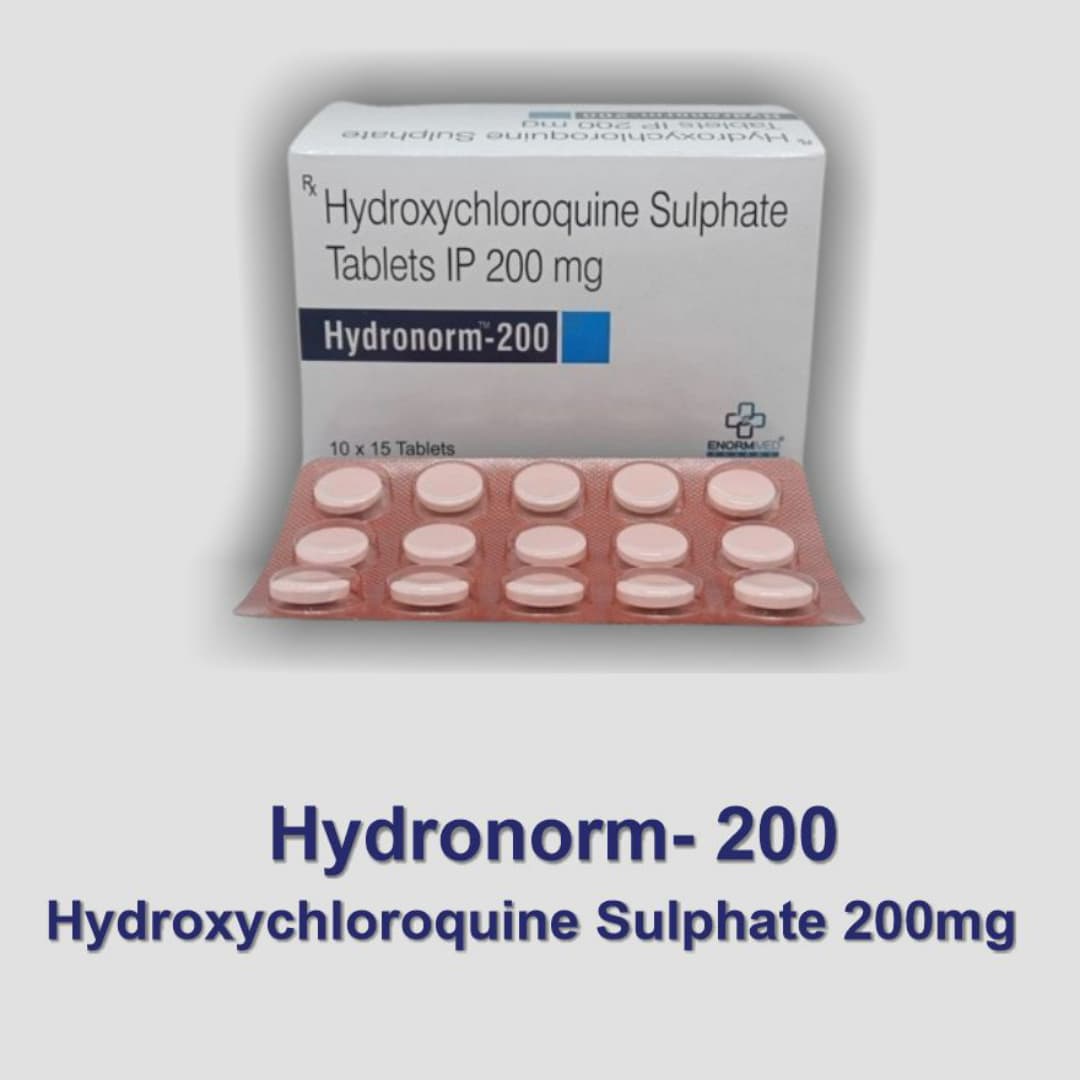
Generic name – Hydroxychloroquine Sulphate 200 mg
Manufacturer – Enorm med Pharma
Packaging – 10 x 15 Tablets in 1 Strip
Delivery Time – 6 To 15 Days
Hydronorm 200 is a clinically proven medication that contains 200mg of Hydroxychloroquine Sulphate as its active ingredient. It treats several serious conditions, including malaria, rheumatoid arthritis, systemic lupus erythematosus, and discoid lupus erythematosus. Because it combines both antimalarial and immunomodulatory properties, Hydronorm 200 serves a broader therapeutic purpose than most single-use medicines, making it one of the more versatile prescription treatments available today.
Hydroxychloroquine Sulphate belongs to the aminoquinoline class of medicines. Doctors have used it reliably for several decades across multiple medical specialties, including infectious disease, rheumatology, and dermatology. As a result, its safety and effectiveness profile is exceptionally well documented across a wide patient population.
Hydronorm 200 is manufactured by a reputable pharmaceutical company under internationally recognized quality and safety standards. Therefore, every tablet delivers a consistent, reliable, and precisely measured therapeutic dose that patients and prescribing physicians can depend on throughout their course of treatment.
Hydronorm 200 suits adult patients who need treatment or prevention of malaria, individuals living with rheumatoid arthritis who require long-term disease management, patients diagnosed with systemic or discoid lupus erythematosus, and those with other autoimmune conditions where a doctor considers Hydroxychloroquine appropriate. Furthermore, because it works gradually to modify immune activity rather than simply suppressing symptoms, it plays a particularly important role in long-term autoimmune management plans.
Hydronorm 200 works through two distinct but complementary mechanisms depending on the condition it treats. For malaria, it targets the parasite directly. For autoimmune conditions, it modifies how the immune system behaves at a cellular level.
Malaria parasites of the Plasmodium species enter red blood cells and digest haemoglobin as a food source. During this process, they produce a toxic byproduct called haem. Normally, the parasite converts haem into a non-toxic crystalline form called haemozoin through a process called haem polymerization. Hydroxychloroquine blocks this polymerization process. As a result, toxic haem accumulates inside the parasite and kills it from within. Therefore, the infection cannot spread further through the red blood cells, and the body begins to recover.
In conditions such as rheumatoid arthritis and lupus, the immune system mistakenly attacks the body’s own healthy tissue. Hydroxychloroquine reduces this inappropriate immune activity through several interconnected mechanisms.
Firstly, it raises the pH inside cellular compartments called lysosomes, which immune cells use to process inflammatory signals. By altering this environment, it reduces the immune system’s ability to launch inflammatory responses. Secondly, it interferes with the presentation of antigens to immune cells, which reduces the chain reaction that leads to chronic inflammation. Thirdly, it inhibits the production of pro-inflammatory signaling molecules called cytokines, including tumour necrosis factor and interleukin-6.
Because Hydroxychloroquine works by gradually altering immune cell behavior rather than blocking inflammation directly, patients with autoimmune conditions typically notice improvement over a period of weeks to months rather than days. Therefore, patients must continue taking Hydronorm 200 consistently and as prescribed, even if they do not notice an immediate change in symptoms. Full therapeutic benefit in rheumatoid arthritis and lupus often takes three to six months to become fully apparent.
Hydronorm 200 offers a wide range of clinical and practical advantages that make it a trusted and widely used prescription medicine.
For malaria prophylaxis in adults, the standard dose is 400mg of Hydroxychloroquine Sulphate taken once weekly. Patients should begin taking the tablet one to two weeks before entering a malaria-risk area and continue throughout their stay and for four weeks after returning. Always follow the specific guidance of a travel medicine physician, as dosing schedules may vary depending on the destination and individual health status.
For the acute treatment of uncomplicated malaria, the standard adult dose is 800mg as an initial dose, followed by 400mg at 6, 24, and 48 hours after the first dose. The total course delivers 2000mg over three days. Because malaria treatment protocols can vary, patients should always follow their doctor’s specific prescribed schedule and complete the full course even if symptoms resolve early.
For rheumatoid arthritis, the standard adult dose ranges from 200mg to 400mg per day, taken in one or two divided doses. The exact dose depends on the patient’s body weight, with a maximum recommended dose of 5mg per kilogram of actual body weight per day. Doctors typically start at the lower end of the dose range and adjust based on clinical response and tolerability over time.
For systemic lupus erythematosus, the standard adult dose is 200mg to 400mg per day, divided into one or two doses depending on tolerability and clinical need. Because long-term use is common in lupus management, the lowest effective dose that controls disease activity is always preferred to minimize the cumulative risk of side effects, particularly regarding the eyes.
Swallow the tablet whole with a full glass of water. Always take Hydronorm 200 with food or milk to reduce the risk of stomach upset, which is one of the most common reasons patients discontinue the medicine unnecessarily. Take each dose at the same time each day to maintain consistent blood levels throughout treatment.
Patients with kidney or liver disease require dose adjustment and close monitoring throughout treatment. Elderly patients should also receive careful dosing assessment based on their overall health and organ function. Furthermore, all patients taking Hydronorm 200 for autoimmune conditions require regular eye examinations — ideally annually — because long-term use carries a small but real risk of retinal damage. This risk increases with higher doses and longer duration of treatment.
Most patients tolerate Hydronorm 200 well, particularly at doses within the recommended range. Nevertheless, some individuals experience mild side effects, especially during the first few weeks of treatment. These effects often improve as the body adjusts to the medicine.
Common side effects include:
In rare cases, Hydronorm 200 can cause serious adverse effects that require immediate medical attention. Patients should contact their doctor or seek urgent care right away if they notice any of the following:
Long-term use of Hydroxychloroquine carries a small risk of retinal toxicity, a condition where the medicine gradually damages the cells at the back of the eye. This risk is dose-dependent and increases with the duration of treatment. Because early retinal damage can be difficult to detect without specialist equipment, all patients taking Hydronorm 200 for autoimmune conditions should have a baseline eye examination before starting treatment and annual retinal screening thereafter. Early detection allows doctors to adjust or stop treatment before permanent vision loss occurs.
Hydronorm 200 interacts with several medicines. Therefore, patients must inform their doctor about all medicines they currently take before starting treatment. Important interactions include antacids containing magnesium or aluminium (which reduce Hydroxychloroquine absorption and should be taken at least four hours apart), digoxin, insulin and oral antidiabetic medicines, medicines that prolong the QT interval, and certain antibiotics including azithromycin.
If any serious side effect occurs, stop taking Hydronorm 200 immediately and contact a healthcare provider without delay. Do not reduce the dose or stop treatment for autoimmune conditions without speaking to a doctor first, as abrupt discontinuation can trigger a disease flare.
What is Hydronorm 200 used for?
Hydronorm 200 treats and prevents malaria and manages autoimmune conditions including rheumatoid arthritis, systemic lupus erythematosus, and discoid lupus erythematosus. Because it works through both antimalarial and immunomodulatory mechanisms, it serves a broader therapeutic role than most single-purpose medicines.
How long does Hydronorm 200 take to work?
For malaria treatment, Hydroxychloroquine begins acting within a few hours as it reaches peak blood concentration. For autoimmune conditions such as rheumatoid arthritis and lupus, patients typically notice gradual improvement over several weeks to months. Full therapeutic benefit in autoimmune conditions often takes three to six months of consistent daily use.
Do I need to have eye tests while taking Hydronorm 200?
Yes. All patients taking Hydronorm 200 for long-term autoimmune treatment require regular eye examinations. A baseline assessment before starting treatment and annual retinal screening thereafter are standard requirements. This monitoring helps detect any early signs of retinal toxicity before they progress to permanent vision changes.
Can I take Hydronorm 200 during pregnancy?
Hydroxychloroquine is generally considered safe during pregnancy when prescribed by a doctor, particularly for women with lupus or rheumatoid arthritis. In fact, stopping the medicine during pregnancy may carry greater risk than continuing it in many autoimmune patients. However, all decisions regarding treatment during pregnancy should involve a specialist physician.
Can I take Hydronorm 200 with food?
Yes. Patients should take Hydronorm 200 with food or milk. Taking the tablet with a meal significantly reduces the risk of nausea and stomach discomfort, which are among the most common reasons patients miss doses or stop treatment prematurely.
How long will I need to take Hydronorm 200 for rheumatoid arthritis or lupus?
For most patients with autoimmune conditions, Hydronorm 200 forms part of a long-term treatment plan. Because it helps control disease activity over time rather than providing short-term relief, many patients take it for years or indefinitely under ongoing medical supervision. The treating physician reviews the ongoing need for the medicine at regular intervals.
Can Hydronorm 200 cause low blood sugar?
Yes. Hydroxychloroquine can lower blood glucose levels, particularly in patients who also take insulin or oral antidiabetic medicines. Therefore, patients with diabetes should monitor their blood sugar more closely after starting Hydronorm 200 and inform their doctor so that antidiabetic dosing can be adjusted if necessary.
What should I do if I miss a dose?
If you miss a dose, take it as soon as you remember on the same day. However, if it is already the next day, skip the missed dose and continue with your regular schedule. Never take two doses at the same time to make up for a missed one, as this increases the risk of side effects without improving therapeutic benefit.
Is Hydronorm 200 safe for children?
Doctors can prescribe Hydroxychloroquine to children for certain conditions, including juvenile idiopathic arthritis and lupus. However, dosing in children is strictly weight-based and requires careful calculation by the prescribing physician. Parents should never give Hydronorm 200 to a child without explicit medical instruction and supervision.
Can I stop taking Hydronorm 200 on my own?
Patients should not stop taking Hydronorm 200 without speaking to their doctor first, especially those using it for autoimmune conditions. Stopping the medicine suddenly can trigger a disease flare. A doctor will always advise on the safest way to reduce or discontinue treatment when the time is appropriate.
 Anti Viral
 Anti Viral
 Anti Viral
 Anti Viral
Explore Medicines
Select Using Category