$65.00
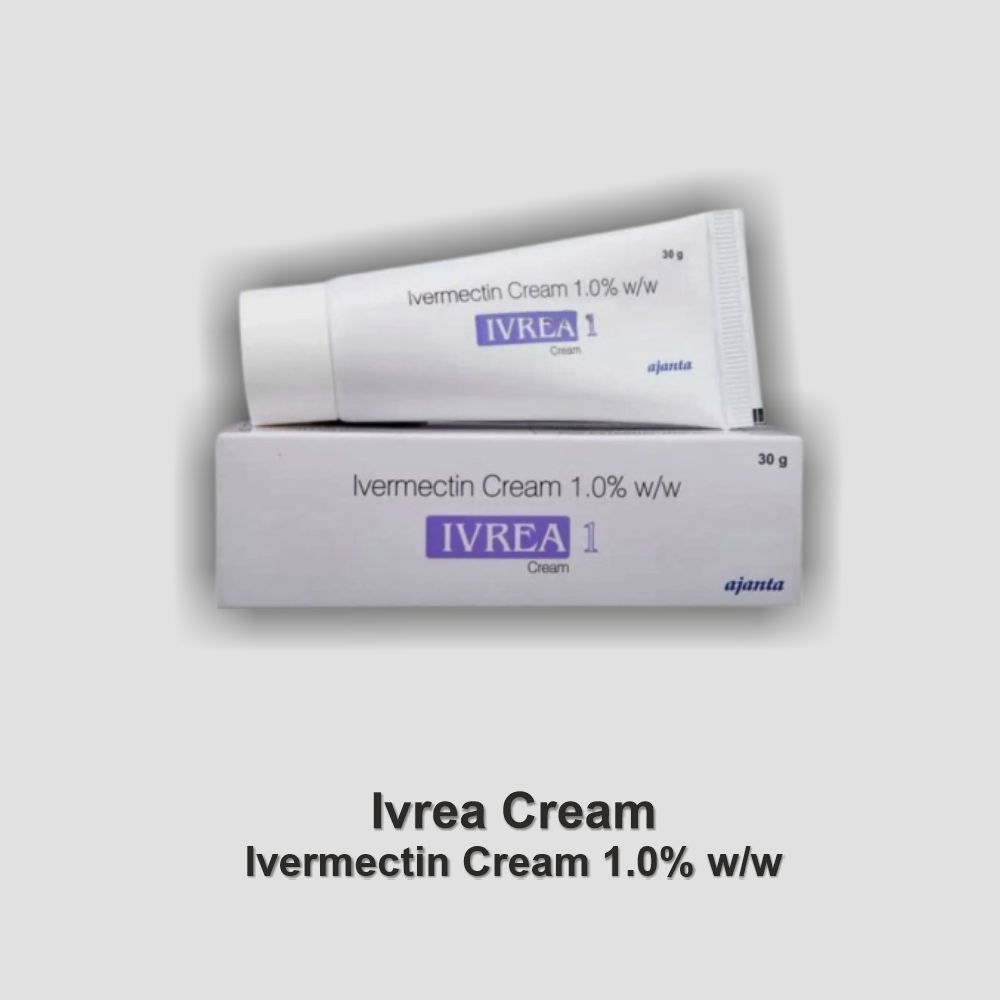
Brand name – Ivrea 1
Generic name – Ivermectin Cream 1.0% w/w
Manufacturer – Ajanta
Packaging – Pack of 1
Delivery Time – 6 To 15 Days.
Ivermectin Cream 1.0% w/w is a well-proven prescription topical medicine that contains 10mg of Ivermectin per gram of cream as its active ingredient. Dermatologists prescribe it primarily to treat inflammatory lesions of rosacea in adults, a long-term skin condition that causes redness, visible blood vessels, and bumps on the face. Because it works by targeting the inflammatory triggers and tiny skin mites that contribute to rosacea flares, it addresses the root causes of the condition rather than simply masking surface symptoms.
Unlike many topical treatments that only ease redness temporarily, Ivermectin Cream 1.0% w/w delivers real and lasting improvement in the number and severity of inflammatory lesions with regular use. As a result, it has become one of the most widely used and trusted topical treatments for rosacea in modern dermatology practice worldwide.
Ivermectin Cream 1.0% w/w is a topical formulation designed specifically for application to the skin. Unlike oral Ivermectin tablets, which enter the bloodstream and treat systemic or widespread parasitic infections throughout the body, this cream works locally at the site of application. Because it stays within the skin layers rather than being absorbed into the bloodstream in significant amounts, it carries a very different and generally more favorable side effect profile compared to oral forms of the medicine.
Ivermectin Cream 1.0% w/w works through two connected actions that together reduce the inflammation and visible lesions associated with rosacea. Its dual approach sets it apart from single-action topical treatments that only target one aspect of the condition.
Research has shown that people with rosacea tend to have significantly higher numbers of a tiny skin mite called Demodex folliculorum living in their hair follicles compared to people without the condition. These mites are a normal part of the skin’s natural environment in small numbers. However, when their population grows too large, they trigger an inflammatory response in the skin that drives rosacea flares, lesion formation, and persistent redness.
Ivermectin works against these mites using the same nerve-channel mechanism that makes it effective against other parasites. By binding to chloride ion channels in the mite’s nerve cells and forcing them open permanently, the cream paralyzes and kills the mites living in the follicles. Reducing the mite population directly lowers the inflammatory trigger load on the skin, which leads to fewer lesions and less overall redness over time.
On top of its antiparasitic action, Ivermectin also has a direct anti-inflammatory effect on the skin. It reduces the production and release of inflammatory proteins called cytokines in skin tissue. These cytokines play a central role in driving the redness, swelling, and pustule formation that characterise active rosacea. By lowering their levels locally in the skin, Ivermectin reduces the intensity and frequency of inflammatory flares independently of its action on Demodex mites.
Because Ivermectin Cream works by gradually reducing both the mite population and the skin’s inflammatory response, improvement develops progressively over weeks of regular use. Most patients notice a meaningful reduction in lesion count within four weeks. The greatest benefit typically becomes clear after twelve weeks of once-daily application. Continuing treatment as directed is therefore essential even when early improvement is visible.
Ivermectin Cream 1.0% w/w offers a wide and well-documented set of clinical and practical advantages that have made it a preferred first-line topical treatment for rosacea in dermatology.
Apply a pea-sized amount of Ivermectin Cream 1.0% w/w to cover the entire face once daily. Spread it evenly across the forehead, nose, each cheek, and the chin using the fingertips. Avoid applying more than the recommended amount, as using a larger quantity does not improve results and may increase the chance of local skin reactions.
Wash and dry the face gently before applying the cream. Apply Ivermectin Cream 1.0% once each day, ideally at the same time each evening before bed. After spreading the cream evenly across the face, wash the hands thoroughly. Avoid contact with the eyes, lips, and inside of the nose. If accidental contact occurs with these areas, rinse with water immediately.
Most patients notice a visible reduction in the number of inflammatory lesions within four weeks of starting daily use. Full and maximum benefit typically builds over twelve weeks of continuous once-daily application. Even after visible improvement occurs, continuing treatment as the dermatologist directs is important to maintain results and prevent lesions from returning.
Moisturizers, sunscreen, and gentle cleansers can all be used alongside Ivermectin Cream 1.0%. Allow the cream to absorb fully into the skin before applying other products on top. Because rosacea-prone skin is often sensitive, choosing fragrance-free, non-comedogenic products alongside the cream is strongly recommended to avoid additional irritation.
Pregnant women should discuss the use of any topical prescription medicine with their doctor before starting. Women who are breastfeeding should seek medical advice before use and avoid applying the cream to any area that may come into contact with an infant. Patients with a known allergy to Ivermectin or any ingredient in the cream base should not use this product. Those with very broken, damaged, or severely inflamed skin should get medical advice before starting treatment.
Most patients tolerate Ivermectin Cream 1.0% w/w very well. Some people do experience mild skin reactions, particularly in the first few weeks of use as the skin adjusts to the treatment. These effects are generally short-lived and settle without any intervention needed.
Common side effects include:
Some patients may notice the following less frequently:
Serious reactions to topical Ivermectin are very rare because the cream does not enter the bloodstream in significant amounts. However, patients should stop using the cream and contact a doctor straight away if they experience any of the following:
If any serious side effect or allergic reaction occurs, stop applying Ivermectin Cream 1.0% immediately and seek medical advice without delay. For minor irritation that does not settle after a few days, speak to the prescribing dermatologist before stopping treatment, as they may suggest adjustments to the application routine rather than full discontinuation.
What is Ivermectin Cream 1.0% w/w used for?
Ivermectin Cream 1.0% w/w treats inflammatory lesions of rosacea in adults. It reduces the number of red bumps and pustules on the face by killing Demodex mites that trigger flares and by directly lowering skin inflammation. Because it works through two separate pathways, it produces more thorough and lasting results than single-action topical treatments.
How is Ivermectin Cream different from other rosacea treatments?
Most topical rosacea treatments work by reducing redness or killing surface bacteria. Ivermectin Cream 1.0% w/w goes further by also targeting the Demodex mite population in the skin, which many other treatments do not address. This dual action on both the mite trigger and the inflammatory response makes it one of the most thorough topical options available for reducing inflammatory rosacea lesions.
How long does Ivermectin Cream take to work?
Most patients notice a reduction in lesion count within four weeks of once-daily use. Maximum benefit typically develops over twelve weeks of continuous treatment. Stopping early before full improvement has built up is not recommended, as it can result in lesions returning and progress being lost.
How much cream should I apply to my face?
A pea-sized amount is enough to cover the entire face. Spread it across the forehead, nose, both cheeks, and the chin using the fingertips. Using more than this recommended amount does not improve results and may increase the risk of local skin reactions.
Can I use moisturizer or sunscreen with Ivermectin Cream?
Yes. Moisturizers and sunscreens can be used alongside Ivermectin Cream 1.0% w/w. Allow the cream to absorb into the skin fully before applying other products on top. Choosing fragrance-free and non-comedogenic products is recommended to avoid extra irritation on rosacea-prone skin.
Can I wear makeup over Ivermectin Cream?
Yes. Makeup can be applied after the cream has been absorbed fully into the skin. Many patients find it easier to apply the cream at night before bed, which avoids any interaction with daytime makeup routines and allows the product to work undisturbed overnight.
Is Ivermectin Cream safe for sensitive skin?
Ivermectin Cream 1.0% w/w is generally well tolerated by patients with sensitive facial skin, including those with rosacea-prone complexions. Some mild irritation is possible in the early weeks of use. If irritation continues beyond the first few weeks, speaking to the prescribing dermatologist is advisable before stopping treatment.
Can I use Ivermectin Cream during pregnancy?
Pregnant women should always discuss the use of any prescription topical medicine with their doctor before applying it. Although systemic absorption from the cream is low, a doctor should always review the risks and benefits on an individual basis before recommending use during pregnancy or breastfeeding.
Can Ivermectin Cream be used on children?
Ivermectin Cream 1.0% w/w is approved for use in adults only. Its safety and effectiveness in children have not been fully established for this indication. Parents should never apply this cream to a child without clear medical instruction from a qualified prescriber.
Can I use Ivermectin Cream near my eyes?
No. Avoid applying the cream to the eyelids or directly around the eyes. If accidental contact with the eyes occurs, rinse thoroughly with water straight away. The cream is intended for application to the facial skin only and should not be used on mucous membranes or broken skin.
Ivermectin Cream 1.0% w/w has been studied extensively in large clinical trials involving thousands of adult rosacea patients. Results from these trials show consistent and significant reductions in inflammatory lesion counts after twelve weeks of once-daily use. Dermatologists worldwide therefore recommend it as one of the most evidence-based topical options available for treating the inflammatory lesion component of rosacea.
Most topical rosacea medicines work through only one pathway, targeting either redness or bacterial involvement on the skin surface. Ivermectin Cream addresses the condition through two distinct and complementary routes — killing the Demodex mites that fuel inflammatory flares and directly reducing the skin’s own inflammatory response. This combination produces more thorough and longer-lasting improvements than single-action treatments working alone.
One of the most practical advantages of Ivermectin Cream 1.0% is its simple once-daily dosing schedule. Applying a pea-sized amount to the entire face each day is quick, straightforward, and easy to build into an existing skincare routine. Simple treatment schedules lead to better long-term compliance, and better compliance leads directly to better skin outcomes over time.
Rosacea-prone facial skin is often highly sensitive and reacts badly to harsh or drying topical ingredients. Ivermectin Cream 1.0% w/w has a favorable tolerability profile in clinical studies, with most patients experiencing only mild and short-lived skin reactions in the early weeks of use. Because it does not thin the skin or cause the rebound redness associated with some other topical medicines, it is suitable for long-term use under dermatological supervision.
Because Ivermectin Cream works locally within the skin layers rather than passing into the bloodstream in meaningful amounts, the risk of systemic side effects is very low. This makes it a much safer long-term option compared to oral antiparasitic or anti-inflammatory medicines that circulate throughout the body. Patients can therefore use it with greater confidence over extended treatment periods.
Unlike some topical treatments that only suppress symptoms while the medicine is being applied, Ivermectin Cream produces improvements that continue to build with each week of consistent use. By reducing the overall Demodex mite burden in the skin progressively, it lowers the baseline inflammatory trigger level over time. As a result, patients who complete a full twelve-week course and continue maintenance treatment often find their skin remains clearer for longer between flares.
Ivermectin Cream 1.0% w/w has earned a strong and growing level of trust within the dermatology community since its introduction into clinical practice. Its combination of strong clinical evidence, a well-understood mechanism of action, and a favorable safety record makes it a go-to recommendation for dermatologists managing adult patients with moderate to severe inflammatory rosacea. Patients can therefore approach treatment with the confidence that their medicine is backed by both science and widespread clinical experience.
Medical Disclaimer: This content is for informational purposes only. Ivermectin Cream 1.0% w/w is a prescription medication. Always consult a qualified and licensed dermatologist or healthcare provider before starting, adjusting, or stopping any course of treatment.
 Anti Viral
 Ivermectin
 Doxycycline
 Ivermectin
Explore Medicines
Select Using Category