


Understanding Male Hormones in Simple Terms
Hormones can sound complicated, but they are simply chemical messengers in your body. They travel through your bloodstream and tell different organs what to do. In men, certain hormones play a key role in growth, mood, energy, muscle development, and reproductive health.
Let’s break it down in an easy and practical way.
What Are Male Hormones?
The primary male hormone is testosterone. It is produced mainly in the testicles and, in smaller amounts, in the adrenal glands.
Although testosterone is often called the “male hormone,” men also have other important hormones, including:
- Luteinizing hormone (LH)
- Follicle-stimulating hormone (FSH)
- Estrogen (in small amounts)
- Cortisol
- Thyroid hormones
All of these work together in balance.
What Does Testosterone Actually Do?
Testosterone influences many areas of a man’s body, including:
- Muscle mass and strength
- Body hair growth
- Voice deepening during puberty
- Bone density
- Sex drive (libido)
- Sperm production
- Mood and energy levels
It is not just about physical strength — it also plays a role in confidence, focus, and emotional balance.
How Hormone Levels Change Over Time
Hormone levels are not constant throughout life.
- During puberty, testosterone rises significantly.
- In early adulthood, levels are generally at their highest.
- After around age 30, testosterone may gradually decline each year.
This gradual change is normal and varies from person to person.
Signs That Hormones May Be Changing
Hormone changes can sometimes affect:
- Energy levels
- Sleep quality
- Mood stability
- Body composition
- Sexual health
However, these symptoms can have many causes, not just hormone levels. That’s why proper evaluation by a healthcare professional is important before drawing conclusions.
How Hormones Stay Balanced
Hormones are controlled by a system involving:
- The brain (hypothalamus and pituitary gland)
- The testicles
- Feedback signals between organs
This system works like a thermostat. When levels are low, the body signals for more production. When levels are high, it signals to reduce production.
Lifestyle factors also influence hormones, including:
- Sleep quality
- Physical activity
- Stress levels
- Nutrition
- Body weight
When Should Someone Speak to a Doctor?
If someone experiences ongoing symptoms such as fatigue, reduced libido, or mood changes, it may be helpful to consult a healthcare provider.
Doctors usually assess hormone health through:
- Medical history
- Physical examination
- Blood testing
Treatment decisions, if needed, are based on individual health profiles and lab results — not just symptoms alone.
Important to Know
- Hormone levels vary between individuals.
- Online advice cannot replace medical testing.
- Supplements or hormone therapies should only be used under medical supervision.
- More is not always better when it comes to hormones.
Frequently Asked Questions (FAQ)
What is the main male hormone?
Testosterone is the primary male hormone responsible for many physical and reproductive functions.
Do men have estrogen?
Yes. Men produce small amounts of estrogen, which plays a role in bone health and hormonal balance.
At what age do testosterone levels start to decline?
Levels may begin to gradually decline after age 30, but the rate varies between individuals.
Can stress affect male hormones?
Yes. Chronic stress can influence hormone balance, particularly cortisol and testosterone.
Does exercise increase testosterone?
Regular physical activity supports overall hormone balance, but effects vary depending on intensity and individual health.
Should I take testosterone supplements on my own?
Hormone therapy should only be started after proper medical evaluation and prescription.
Closing Thoughts
Male hormones are not mysterious — they are part of a complex but well-regulated system that supports physical and emotional health. Understanding how they work helps men make informed decisions about lifestyle, medical care, and long-term wellbeing.
Products by Category
-

Assurans 20mg (Sildenafil) Tablets
Price range: $66.00 through $248.00 -
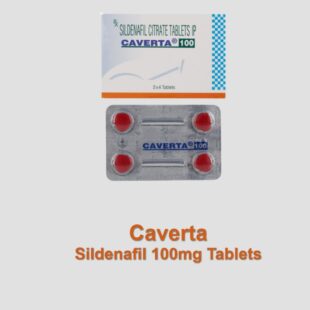
Caverta 100mg (Sildenafil) Tablets
Price range: $170.00 through $500.00 -

Caverta 25mg (Sildenafil) Tablets
Price range: $130.00 through $380.00 -
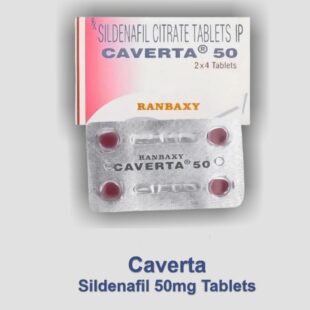
Caverta 50mg (Sildenafil) Tablets
Price range: $132.00 through $390.00 -
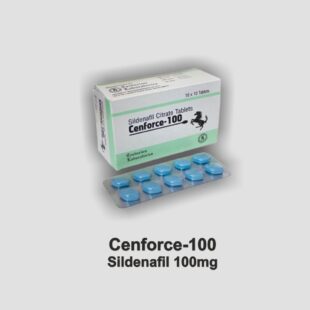
Cenforce 100mg (Sildenafil) Tablets
Price range: $48.00 through $275.00 -
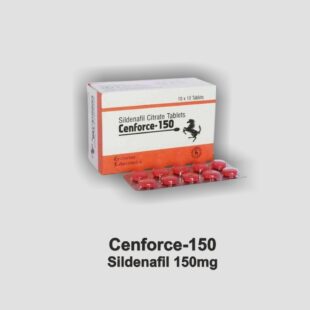
Cenforce 150mg (Sildenafil) Tablets
Price range: $55.00 through $310.00 -

Cenforce 200mg (Sildenafil) Tablets
Price range: $70.00 through $380.00 -

Cenforce 25mg (Sildenafil) Tablets
Price range: $38.00 through $205.00 -
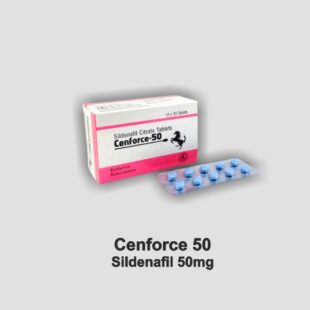
Cenforce 50mg (Sildenafil) Tablets
Price range: $42.00 through $230.00








The Complete Anti-Cancer Stack: Ivermectin + Fenbendazole + Mebendazole + HCQ (2026 Protocol Guide)
You have done the research. You have read the Joe Tippens story. You have watched Mel Gibson’s Joe Rogan interview. Reddit threads, Telegram groups, the
Mebendazole 500mg vs Fenbendazole 222mg: Which Is Better for Cancer Protocols?
Two cheap antiparasitic drugs. One approved for human use since 1971. One made famous by a veterinary dewormer and a stage-four lung cancer survivor. Both
HCQ 200mg + Ivermectin: The Synergy Protocol Cancer Patients Are Quietly Using in 2025
Two generic drugs. Both over 35 years old. Both cheap enough that a full month’s supply costs less than a single chemotherapy copay. Both listed
Ivermectin + Fenbendazole Stack: The Combination Protocol Taking Reddit, Telegram and Podcasts by Storm in 2025
Mel Gibson sat across from Joe Rogan in January 2025 and casually mentioned three friends — all diagnosed with stage IV cancer — who no
Why Your Doctor Won’t Prescribe Ivermectin 12mg — And Where Americans Are Getting It Online in 2026
You asked your doctor for ivermectin 12mg. They said no. Furthermore, they may have dismissed the question entirely — or looked at you like you
The Fenbendazole 222mg Cancer Protocol: Joe Tippens’ Full Story and the 2025 Research Update
In 2016, Joe Tippens received a terminal diagnosis. Doctors told him he had roughly three months to live. Small-cell lung cancer had spread to his